Basic Violet Dye: Versatile Applications & Sustainable Innovations | Yanhong Chemical
Understanding Basic Violet: A Small Dye with a Big Global Impact
Basic violet dyes are a fascinating group of compounds whose significance stretches far beyond a simple splash of color. Globally, they play crucial roles in industries ranging from textiles to biochemical research. Understanding what basic violet truly is—and why it matters—offers insight into not just the science of dyes but also the many ways it touches our daily lives. From sustainable manufacturing to humanitarian aid, basic violet dyes highlight the blend of chemistry and culture. By exploring the benefits and applications of these dyes, industries can harness their potential more efficiently, which ultimately means better products and environmental outcomes worldwide.
Basic Violet in Today’s Global Industry Landscape
The global dye and pigments market size was valued at over $40 billion USD recently, and basic violet dyes make up a significant slice of this pie. According to ISO standards and trade reports, these cationic dyes are prized for their vibrant colors and compatibility with various synthetic fibers. Yet, the challenge is that the dyeing industry accounts for nearly 20% of global industrial water pollution—so sustainability is a constant concern.
As textile production spreads across different continents, the demand for high-quality, durable dyes like basic violet grows. However, many regions struggle with pollution regulations and costly waste treatment. It’s a balancing act—maintaining vivid, fast colors without compromising the environment. That’s part of why basic violet has recently emerged as a focus for greener chemical modifications and recycling initiatives.
What Exactly Is Basic Violet?
Put simply, basic violet refers to a family of synthetic cationic dyes characterized by their positive charge at the molecular level. This charge helps them bind strongly to cotton and other fibers, making them popular in dyeing fabrics, inks, and even in biochemical staining techniques.
These dyes are "basic" because of their chemical structure, which usually includes nitrogen-containing groups. "Violet" indicates the distinctive purple hues they impart, which range from deep royal purples to lighter lavender shades. They’re more than just pretty colors: they’re often used in medical labs, forensic sciences, and even water treatment processes to detect contaminants.
Mini takeaway:
- Basic violet dyes have unique chemical structures that make them versatile in various industries.
- Their vibrant purple color makes them highly desirable in textiles and scientific applications.
Core Features That Define Basic Violet
1. Color Fastness and Durability
One of the reasons basic violet dyes maintain their popularity is their exceptional colorfastness. When applied properly, these dyes resist fading under sunlight or washing, which is crucial for garments and industrial textiles. Their durability ensures product longevity, which often correlates with customer satisfaction.
2. Compatibility with Synthetic Fibers
Basic violet dyes work well with fibers like nylon and acrylic, which are increasingly used due to their mechanical strength and light weight. Their affinity to these fibers offers manufacturers flexibility in design and innovation.
3. Chemical Stability & Safety
While some dyes release toxic byproducts, many modern formulations of basic violet have been optimized for less environmental impact and improved worker safety. Compliance with international standards like REACH and EPA guidelines is gradually becoming the norm.
4. Cost Efficiency
Compared to natural dyes, producing synthetic basic violet on an industrial scale is generally more cost-effective and consistent in quality. This affordability translates into widespread accessibility without sacrificing performance.
Mini takeaway:
- Basic violet offers fast, lasting color across multiple fibers.
- Improvements in safety and environmental performance are ongoing.
- Cost-effective production makes basic violet a commercially viable option worldwide.
How Basic Violet Makes a Difference Worldwide
Basic violet’s applications span continents and industries. For example:
- Textile Industry: In Bangladesh and India, where garment manufacturing is a backbone of the economy, basic violet dyes offer reliable coloration with vibrant results, helping brands meet global standards.
- Biomedical Research: Labs across Europe and North America use basic violet dyes as staining agents to identify cells or bacteria under the microscope, crucial for disease diagnosis and research breakthroughs.
- Water Pollution Detection: Environmental agencies in Australia and South America employ these dyes in trace tests to monitor pollutants, guiding cleanup interventions.
- Post-Disaster Relief: Oddly enough, some textile products colored with basic violet find use in rugged gear for shelters and uniforms due to dye durability.
Mini takeaway:
Whether it’s the clothes we wear or labs diagnosing disease, basic violet quietly supports industries and communities worldwide, solving practical challenges with color and chemistry.
The Long-Term Benefits of Using Basic Violet
When you think about dyeing on a mass scale, it’s easy to fixate on color alone. But the deeper value of basic violet lies in a blend of cost, sustainability, and social impact.
- Economic Sustainability: Because it’s affordable and efficient, basic violet helps manufacturers keep product prices competitive—particularly vital in developing economies.
- Environmental Responsibility: Advanced manufacturing and recycling methods reduce waste discharge, aligning dyeing processes with stricter global environmental regulations.
- Emotional & Social Impact: Consistently vibrant colors can boost brand identity and customer pride, fostering consumer trust and even cultural expression.
What’s Next for Basic Violet?
The future holds exciting potential. Researchers are exploring biodegradable dye formulations and digital printing techniques that drastically cut water usage. Automation in dyeing plants promises tighter quality control and less chemical waste. Combined with global pushes toward sustainability, these innovations could make basic violet dyes greener and more efficient than ever before.
Challenges on the Horizon and Possible Fixes
Of course, all is not perfect. Many dye mills still rely on water-intensive processes that strain local resources. Regulatory approvals for new formulations can be slow. There’s a need for better global standards harmonization, especially affecting exports.
Innovative approaches include closed-loop water systems and biotech enzymes to fix dyes into fabrics with less runoff. Also, partnerships between chemical producers and textile manufacturers help share knowledge and accelerate the adoption of best practices.
Product Specification Table: Basic Violet Dye Typical Properties
| Property | Value | Unit |
|---|---|---|
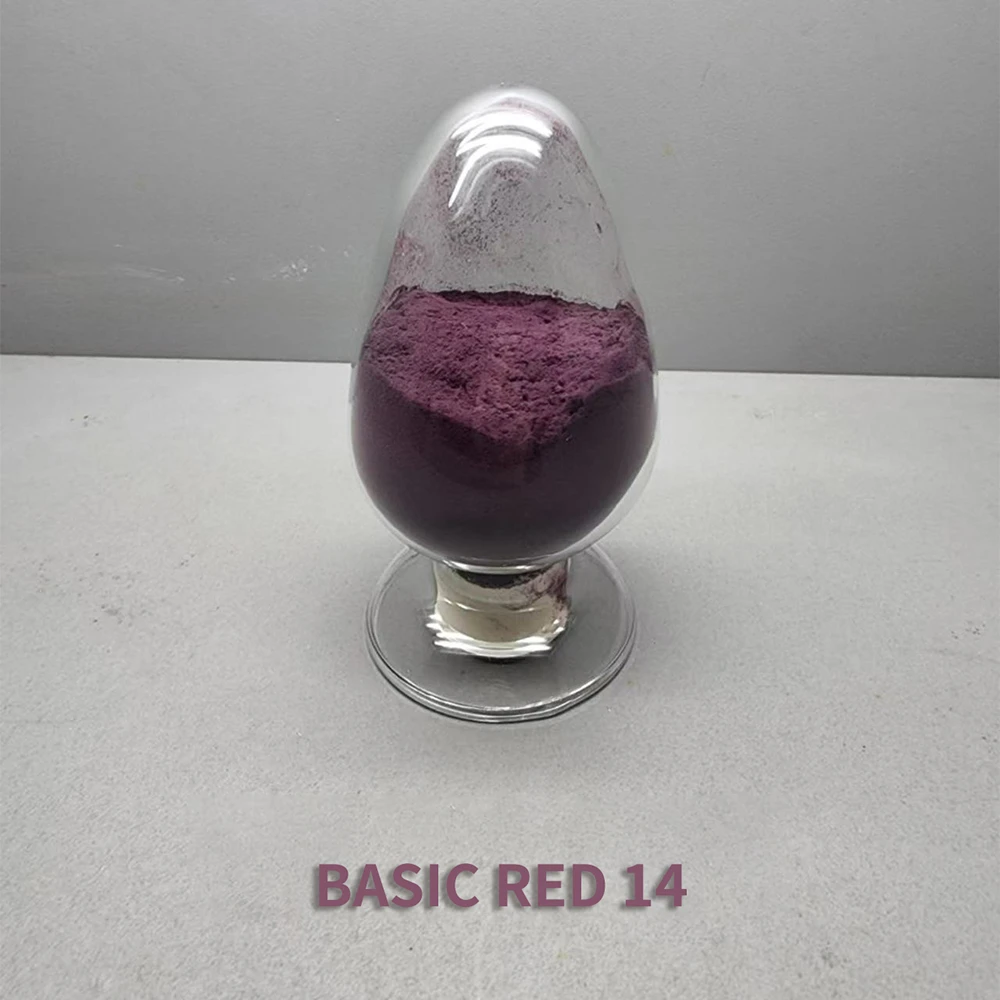
| Appearance | Deep violet powder | - |
| Molecular Weight | 407 | g/mol |
| pH Solubility | 5.5 – 7.0 | - |
| Color Fastness (Wash) | 4 – 5 | (ISO scale) |
| Usage Temperature | 30 – 60 | °C |
| Application | Textile, Ink, Biochemical staining | - |
Vendor Comparison: Basic Violet Suppliers
| Supplier | Price per KG | Purity (%) | Sustainability Certification | Global Reach |
|---|---|---|---|---|
| Yanhong Chemical Co. | $12.50 | ≥99% | ISO 14001 | Global |
| ColorTech Labs | $14.00 | 98% | None | Regional (Asia) |
| EcoDyes International | $15.75 | ≥99% | OEKO-TEX | Global |
Common Questions About Basic Violet
Q1: How does basic violet compare to other synthetic dyes in textile industries?
Basic violet dyes tend to offer superior brightness and colorfastness, especially on synthetic fibers like nylon and acrylic. They also generally involve fewer processing steps, which can reduce production time and environmental footprint.
Q2: Can basic violet dyes be used safely in medical labs?
Absolutely. Basic violet is commonly used in staining procedures in pathology and microbiology. However, labs must follow strict handling protocols to avoid exposure, as with any chemical reagent.
Q3: Is the dyeing process with basic violet sustainable?
While traditional dyeing still consumes water and produces effluents, advancements in dye formulations and closed-loop systems are making the use of basic violet more sustainable. Choosing suppliers with green certifications helps ensure sustainability.
Q4: How can small-scale manufacturers source high-quality basic violet dyes?
Many suppliers, including Yanhong Chemical, offer minimum order quantities suitable for small production runs. Working with vendors who provide technical support can optimize dye performance for smaller batches.
Wrapping Up: Why Basic Violet Is More Than Just a Color
In the grand scheme, basic violet stands as a bridge between chemistry, industry, and society. Its vibrant hues brighten garments, its chemical properties aid scientific discovery, and ongoing innovations strive to make it kinder to Earth. By embracing its strengths while tackling challenges, stakeholders globally can ensure basic violet remains a valuable contributor to sustainable progress.
Interested in learning more? Visit https://www.yanhongchem.com to explore products, industry insights, and the latest in dye technology.
References:
-
Premium Fabric Dye For Sale | Durable Industrial Textile Dyes from Yanhong ChemNewsDec. 03, 2025
-
Exploring Reactive Dyes in Textile A Comprehensive Guide to Chemistry and ApplicationNewsMar. 05, 2026
-
Tulip Fabric Dye – Durable, Eco-Friendly Textile Color SolutionsNewsDec. 07, 2025
-
Buy Fabric Dye – Durable and Sustainable Solutions for Textile Industry | Yanhong ChemNewsDec. 03, 2025
-
Lavender Fabric Dye - Reliable Industrial Quality from Yanhong ChemicalNewsDec. 13, 2025
-
China Fabric Dye Manufacturers: Eco, High-Fastness, OEMNewsDec. 13, 2025