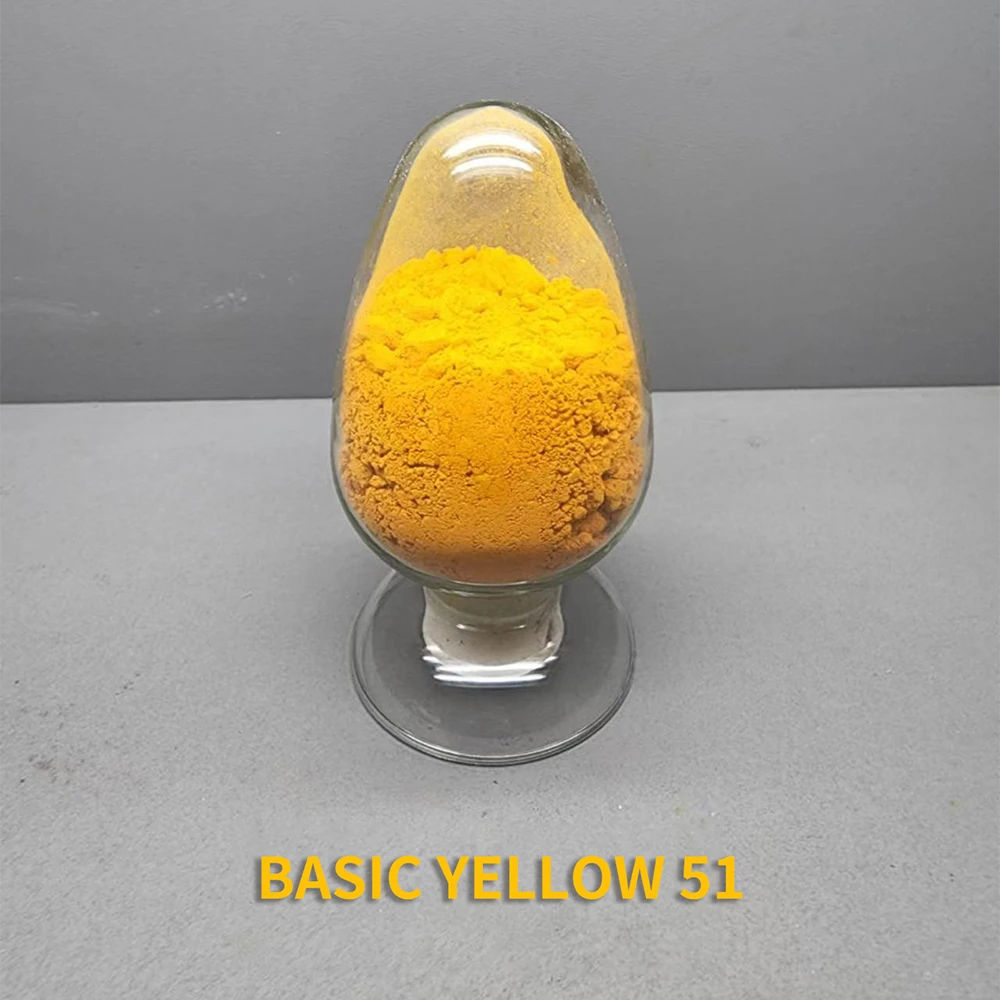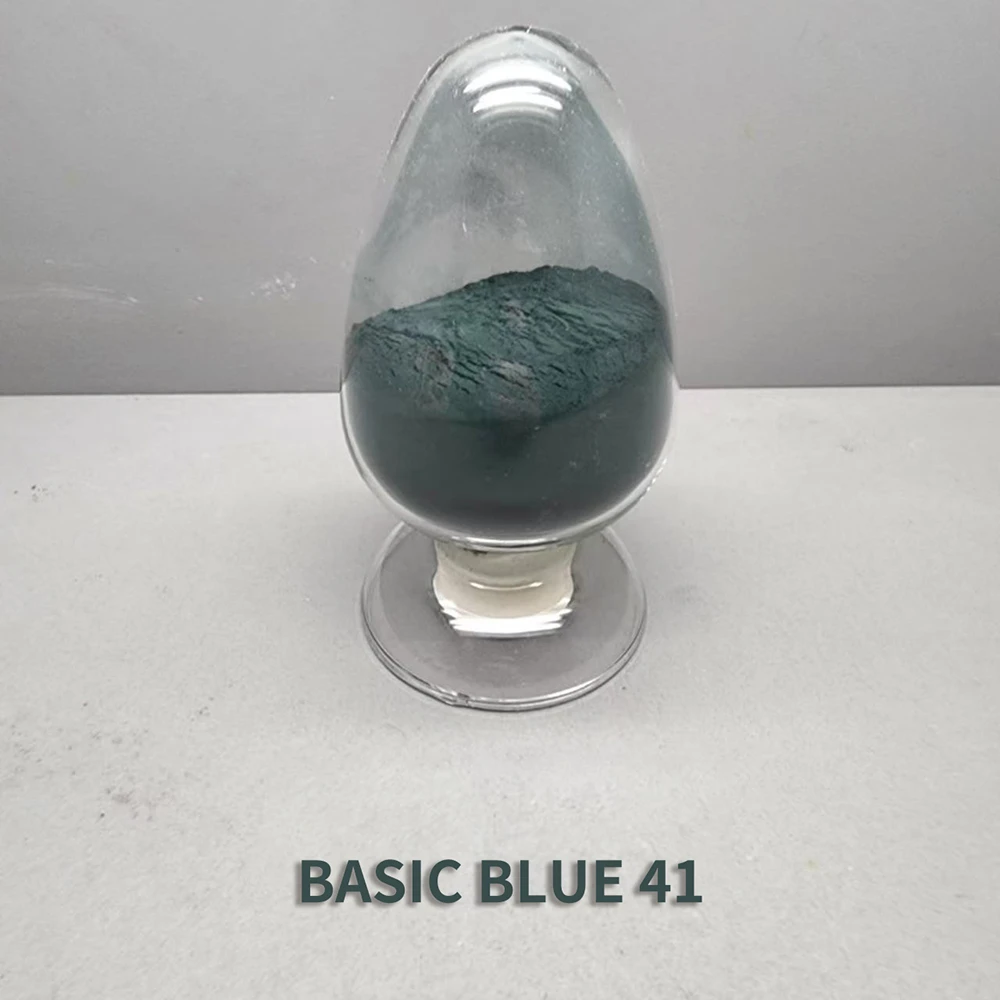
Premium Navy Blue Dye for Fabric | Durable & Eco-Friendly Textile Solutions
The Subtle Power of Navy Blue Dye for Fabric: Why It Matters Globally
At first glance, navy blue dye for fabric might sound like a niche topic reserved for textile geeks or fashion insiders. But zoom out a little and you see a fascinating interplay of culture, industry, sustainability, and even humanitarian efforts. Navy blue is more than just a color—it's a worldwide standard, a symbol of professionalism, and an ever-reliable choice across countless applications.
Understanding this dye’s nuances isn’t just academic. It impacts global supply chains, employment in manufacturing hubs, and sustainability goals aligned with the UN’s environmental targets. Plus, efficient, eco-friendly navy blue dyeing methods lower textile waste and reduce water pollution, making those crisp uniforms and elegant denim jeans a little kinder to the planet.
Setting the Stage: Why Navy Blue Dye for Fabric is a Global Industry Staple
Let’s face it: navy blue is everywhere—corporate suits, school uniforms, police apparel, denim jeans, and even hospital scrubs. According to the International Organization for Standardization (ISO), navy blue remains one of the most standardized hues, easing global trade thanks to color consistency.
Globally, textile production accounts for roughly 2% of GDP in many developing economies and employs millions. The World Bank estimates that providing high-quality navy blue dye options with sustainable processes can reduce environmental impact by up to 20%. Yet, the challenge remains—traditional dyeing methods still waste vast quantities of water and sometimes use toxic substances.
This makes developing better navy blue dyes for fabric not only an industrial imperative but also a crucial step towards sustainable manufacturing and social responsibility.
What Exactly Is Navy Blue Dye for Fabric?
Simply put, navy blue dye for fabric is a pigmentation agent used to color textiles in a deep, almost-black shade of blue. Historically associated with naval uniforms (hence the name), this dye variant has evolved, incorporating synthetic and natural compounds to meet texture, durability, and environmental standards.
More than a colorant, it’s a functional and cultural artifact linking apparel industries with humanitarian and institutional needs—from school uniforms in Kenya to workwear in US factories.
Mini Takeaway:
Navy blue dye for fabric blends tradition with innovation, anchoring both fashion and function worldwide.
Key Attributes That Make Navy Blue Dye So Vital
Durability
One of the reasons navy blue is favored is because the dye resists fading over time. Whether outdoors under UV rays or through industrial laundry cycles, fabrics maintain their rich hue. This durability cuts replacement costs and helps reduce textile waste.
Color Consistency and Scalability
In large-scale production—like making thousands of uniforms—maintaining consistent navy blue across batches is paramount. Modern synthetic dyes offer stability and can be scaled for bulk manufacturing without losing vibrancy.
Cost Efficiency
While premium dyes might cost more upfront, their longevity and vibrancy save money over time. Additionally, many textile mills now prioritize effluent treatment to meet environmental controls, reducing penalties and potential damage to brand reputation.
Eco-Friendliness
Innovations in navy blue dye production increasingly incorporate biodegradable compounds and use less water. These greener processes align well with ISO 14001 environmental standards, gaining favor among environmentally conscious manufacturers.
Compatibility with Fabric Types
Not all navy dyes play equally well across materials like cotton, polyester, or denim blends. Chemical formulations are often customized, ensuring superior adhesion and color fastness.
Table: Typical Specification for Navy Blue Dye for Fabric
| Specification | Details |
|---|---|
| Color Shade | Deep Navy Blue (Pantone 289 C) |
| Chemical Type | Reactive / Vat / Pigment dyes |
| Fastness to Washing | Grade 4-5 (ISO 105-C06) |
| Fastness to Light | Grade 7 (ISO 105-B02) |
| Environmental Compliance | OEKO-TEX® and REACH compliant |
| Suitable Fabrics | Cotton, polyester blends, denim, nylon |
Where in the World Is Navy Blue Dye Making an Impact?
Globally, industries from fashion houses in Europe to school uniform suppliers in Africa rely heavily on quality navy blue dye. Oddly enough, it’s a real lifeline in humanitarian aid, too—uniforms and durable textiles are supplied in refugee camps, disaster relief zones, and remote clinics, where durability and color stability really count.
In Asia’s vast textile hubs, innovations in navy blue dye for fabric help factories meet ecological regulations, boosting exports to environmentally sensitive markets like the EU.
Industries benefiting include:
- Fashion & Apparel Manufacturing
- Workwear and Uniform Production
- Outdoor Gear and Denim Brands
- Humanitarian and Institutional Textile Suppliers
Mini Takeaway:
Navy blue dye is more than a shade—it’s an enabler of quality and sustainability across regions and industries.
The Long-Term Advantages of Investing in Quality Navy Blue Dyes
Choosing the right navy blue dye isn’t a matter of aesthetics alone. Its benefits trickle down: fewer replacements due to fading, less environmental damage through better chemistry, and stronger consumer trust fostered by consistent product quality.
Emotionally speaking, for institutions or companies providing uniforms, the color holds symbolic weight—uniformity, professionalism, and dignity. Meanwhile, the logic is solid: reductions in waste and costs balance better with eco-conscious brand images.
Emerging Trends Shaping the Navy Blue Dye Landscape
The dye industry is far from static. Recent breakthroughs like digital textile printing enable more precise application of navy blue pigment with less water consumption. Meanwhile, plant-based dyes and enzyme-assisted fixing techniques are gaining traction as eco-friendlier alternatives.
Automation and AI-controlled dyeing processes optimize dye use, reduce errors, and customize shades rapidly based on client needs—shaping a smarter future.
Common Hurdles and Smart Fixes in Navy Blue Fabric Dyeing
Despite progress, challenges linger. For one, dye compatibility issues can cause patchy or uneven coloring if fabric blends aren’t tested thoroughly. Also, many traditional dye plants struggle to meet stringent modern environmental standards.
However, partnering with specialized chemical manufacturers, adopting closed-loop water systems, and using advanced color fastness testing can overcome these hurdles relatively smoothly.
Comparing Top Vendors of Navy Blue Dye for Fabric
| Vendor | Eco-Certifications | Price Range (per kg) | Customization Options | Lead Time |
|---|---|---|---|---|
| YanHong Chem | OEKO-TEX®, REACH | $8 - $12 | Customized shades & formulations | 2-3 weeks |
| BlueTex Solutions | GOTS Certified | $10 - $14 | Limited customization | 3-4 weeks |
| EcoDye Inc. | OEKO-TEX®, BCI Supporter | $9 - $13 | Standard shades only | 2 weeks |
Frequently Asked Questions about Navy Blue Dye for Fabric
- Q: How can I ensure navy blue dye does not fade after repeated washes?
- A: Choosing dyes with high wash fastness ratings (ISO 105-C06 Grade 4 or above) and ensuring correct fabric pre-treatment can preserve color for years.
- Q: Is navy blue dye safe for sensitive skin or medical fabrics?
- A: Many manufacturers produce OEKO-TEX® certified dyes free from harmful chemicals, making them suitable for sensitive and medical-grade fabrics.
- Q: What makes a navy blue dye eco-friendly compared to others?
- A: Eco-friendly dyes often minimize water usage, avoid heavy metals, and biodegrade faster, reducing environmental harm over time.
- Q: Can navy blue dye be customized for different fabric types?
- A: Yes, dyes can be chemically formulated or pigment-based to match fabric blends, ensuring optimal color fastness and appearance on cotton, polyester, or blends.
- Q: How do I source high-quality navy blue dye for large-scale production?
- A: Partnering with reputable vendors that offer certifications, customization, and reliable lead times helps secure consistent quality for mass production.
Wrapping It Up: The Timeless Appeal and Practicality of Navy Blue Dye
Navy blue dye for fabric isn’t just a color—it’s a cornerstone of textile production that ties together innovation, tradition, and sustainability in a quiet but powerful way. From global apparel giants to humanitarian efforts, this trusted dye reflects a commitment to quality and responsibility.
Thinking about upgrading your dye selection? Check out navy blue dye for fabric vendors who blend performance with eco-conscious practices—because the best colors should also tell the best stories.
Final Mini Takeaway:
Investing in quality navy blue dye is investing in durability, sustainability, and a splash of cultural history that never fades.
References
-
Jacquard Basic Dye: Durable, Vibrant Textile Solutions from Yanhong ChemicalsNewsDec. 03, 2025
-
Fabric Dye for Sofa - Industrial-Grade Solutions & Supplier InsightsNewsDec. 07, 2025
-
Factors Affecting The Coloring Of Cationic DyesNewsAug. 05, 2025
-
Professional Fabric Dye for Industrial Use - Yanhong ChemNewsDec. 31, 2025
-
Durable Dark Teal Fabric Dye for Industrial Textile Applications - YanhongchemNewsJan. 04, 2026
-
Premium Fabric Dye For Sale | Durable Industrial Textile Dyes from Yanhong ChemNewsDec. 03, 2025