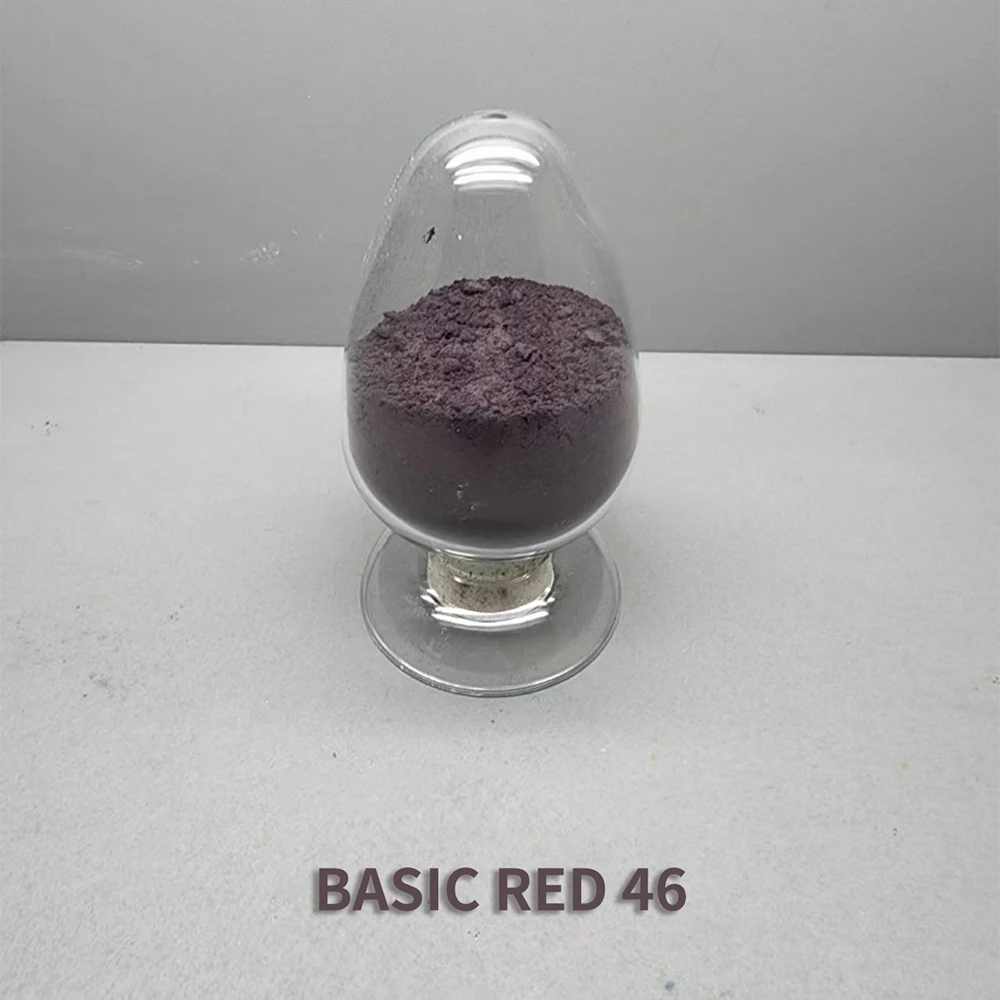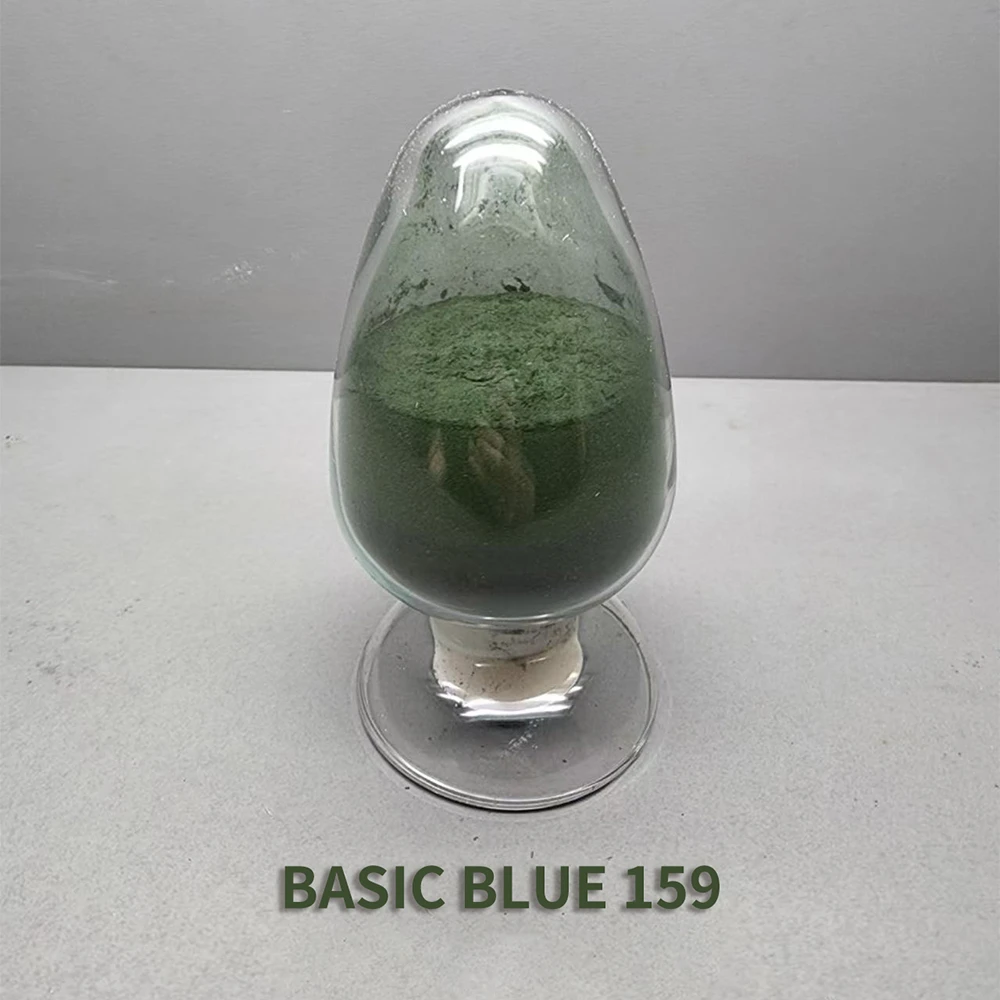
Premium Maroon Fabric Dye – Durable, Eco-Friendly Textile Solutions
The Significance of Maroon Fabric Dye: A Global Perspective
When you think of maroon fabric dye, it might sound niche — but this particular pigment plays an outsized role globally in textile industries, humanitarian supply chains, and fashion. Why? Because maroon — a rich, warm shade — resonates with cultural symbolism worldwide, while the dye itself represents a blend of chemistry, sustainability, and industrial craft. Understanding maroon fabric dye isn't just about aesthetics; it unlocks value in manufacturing, eco-conscious production, and supply chain management. In a world increasingly focused on responsible sourcing and vibrant, lasting colors, this dye matters more than ever.
Globally, textile production is a $1.5 trillion industry, and dyes account for about 10% of the environmental footprint, per UNEP data. Maroon fabric dye is no exception. The chemistry and sourcing affect water pollution, worker safety, and the longevity of garments — key considerations as brands seek certifications like ISO 14001. With this in mind, let’s dive into what maroon fabric dye really is, what goes into making it effective, and why it’s poised to stay relevant in the years ahead.
Mini takeaway: Maroon fabric dye isn’t just a color choice — it’s a crossroads of culture, commerce, and sustainability with global implications.What is Maroon Fabric Dye? A Simple Definition
At its core, maroon fabric dye is a coloring agent formulated to impart a deep reddish-brown hue on textiles. It can come as a synthetic pigment or natural extract and is applied to cotton, polyester, wool, and blends. The exact chemistry varies, but successful maroon dyes offer color fastness, vibrancy, and compatibility with various fabric types.
Historically, maroon has been a favored hue in uniforms, traditional garments, and ceremonial fabrics — symbolizing strength, valor, and elegance. In modern industry, maroon fabric dye links directly to sectors like fashion, interior design, and even humanitarian aid, where colored fabrics can indicate roles, zones, or cultural identity, especially in post-disaster shelter setups.
Mini takeaway: Maroon fabric dye fuses chemistry with cultural meaning, meeting both industrial standards and human-centered design.Key Characteristics That Define Quality Maroon Fabric Dye
Color Fastness and Durability
One big deal about any fabric dye is how it holds up under washing, sunlight, and wear. Maroon fabric dye is expected to resist fading, especially since it’s used in applications like uniforms in harsh conditions. The dye molecules bind firmly with fabric fibers — often through reactive or vat dye chemistry — making sure the rich tone persists without bleeding.
Scalability in Production
From artisan workshops to large-scale automated plants, the dyeing process must scale without compromising quality. Maroon hues can be tricky to standardize because minute changes affect shade consistency. Many manufacturers now rely on digital color matching systems and robotic dosing to get that consistent maroon every batch.
Cost Efficiency
Producers look for dyes that balance price and performance. Some specialized maroon dyes incorporate rare pigments or eco-friendly binders, which can bump up costs. However, advances in dye synthesis and bulk procurement are making these costs more manageable over time.
Sustainability and Environmental Impact
Eco-friendly maroon fabric dyes are gaining importance. There’s a trend away from heavy-metal-laden synthetics toward botanical or low-impact chemical formulations. Approaches include waterless dye technology and biodegradable fixatives to reduce wastewater contamination. ISO standards now capture many of these practices.
Compatibility Across Fabrics
A versatile maroon dye works on cotton, silk, wool, and synthetics like polyester. However, polymer differences mean dye penetration and UV resistance vary. For industrial buyers, having a dye that suits several materials reduces inventory complexity and waste.
Safety and Compliance
Because dyes contact skin, safety certifications (like OEKO-TEX) are critical. Maroon dyes free from carcinogens and allergens ensure wearer comfort and meet international trade regulations — vital for global apparel brands.
Mini takeaway: The best maroon fabric dyes juggle color brilliance, scalability, eco-friendliness, and safety — a juggling act engineers and chemists continually refine.Real-World Applications and Impacts of Maroon Fabric Dye
Maroon fabric dye’s uses span continents and industries. Here are a few examples:
- Fashion Houses & Designers: Luxury brands often incorporate maroon for rich autumn collections due to its depth and classic vibe.
- Uniform Manufacturing: Schools, military units, and corporate staff outfits frequently use maroon to convey professionalism and tradition.
- Humanitarian Agencies: In disaster relief, color-coded fabrics (including maroon) help organize shelters and aid supplies, improving workflow and safety in emergency zones.
- Home Furnishings: Curtains, upholstery, and bedding benefit from durable maroon shades that avoid quick fading in sunlight-exposed homes globally.
For instance, in sub-Saharan African regions, maroon-dyed cloth serves both cultural rituals and everyday attire, made from locally sourced hand-dyes or modern synthetic variants. Similarly, in industrial textile hubs like Bangladesh and Turkey, manufacturers optimize maroon formulas to meet export quality demands.
Mini takeaway: Maroon fabric dye isn’t confined to fashion runways—it is integral to fields as varied as relief efforts and home decor worldwide.Advantages and Enduring Value of Maroon Fabric Dye
Why go maroon? Besides looking stunning, the dye boasts several compelling benefits:
- Longevity & Cost Savings: Durable color reduces need for replacement and returns.
- Sustainability: Eco-conscious maroon dyes lessen environmental footprints.
- Emotional Resonance: The color maroon symbolizes warmth, courage, and dignity — important in uniforms and community fabrics.
- Innovation: Cutting-edge dye chemistries add UV-resistance and antibacterial properties, offering extra garment value.
- Trust: Well-tested maroon dyes help brands build reputations for quality and responsibility.
Looking Ahead: Trends and Innovations in Maroon Fabric Dye
Technology never stands still. In the maroon fabric dye arena, watch for:
- Digital Dyeing Technologies: Precision color matching and waterless printing systems cut waste and improve vibrancy.
- Biobased Dyes: Innovations derived from plants, fruits, or microbes that replace synthetic chemicals.
- Automation in Manufacturing: Robotics optimize batching and drying, improving throughput reliability.
- Smart Textiles: Embedding microcapsules with color-shifting or UV-protection properties.
- Policy Pressures: Stricter environmental guidelines are pushing the dye industry to cleaner, reportage-friendly productions.
Challenges in Using Maroon Fabric Dye and How Experts Overcome Them
It’s not all smooth sailing. Common challenges include:
- Color Variability: Natural pigment sourcing or inconsistent synthetic batches can cause shade shifts.
- Environmental Compliance: Tight regulation makes waste management costly.
- Fabric Compatibility: Some fibers resist conventional dyes, requiring specialized formulations.
- Cost Constraints: Sustainable dyes sometimes carry premiums impacting pricing.
Experts tackle these by employing advanced quality control, using spectroscopy to verify shade, investing in in-house R&D for eco-innovations, and educating buyers about value over price.
Mini takeaway: Challenges spur innovation — industry leaders leverage tech and collaboration to refine maroon fabric dye solutions.Maroon Fabric Dye FAQ
- Q1: What types of fabrics are best suited for maroon fabric dye?
- A: Maroon fabric dye performs well on natural fibers like cotton and wool due to their ability to absorb dye molecules thoroughly. Synthetics like polyester require specialized disperse dyes. A versatile maroon dye can work across blends, but always check manufacturer specs for optimal results.
- Q2: How can maroon fabric dye contribute to sustainable textile production?
- A: Sustainable maroon dyes minimize harmful chemicals, reduce water usage, and often come from biodegradable sources. Combining these with water-saving technologies and waste treatment ensures a greener footprint compared to traditional dyeing methods.
- Q3: Does maroon fabric dye fade faster than other dark colors?
- A: Not necessarily. High-quality maroon dyes with proper fixation techniques resist fading well, often matching or exceeding longevity seen in other deep hues like navy or black. The dye’s molecular structure and fiber type are key factors.
- Q4: Are there international standards regulating maroon fabric dye safety?
- A: Yes, organizations such as OEKO-TEX and GOTS set safety benchmarks ensuring dyes are free of harmful chemicals and safe for skin contact, crucial for garments in direct wear.
- Q5: How can manufacturers ensure consistency in maroon fabric dye batches?
- A: Digital color matching tools and spectrophotometers aid in monitoring batch-to-batch consistency. Automated systems and trained staff also help reduce variability.
Product Specification of a Leading Maroon Fabric Dye
| Specification | Details |
|---|---|
| Color Shade | Rich Maroon (Pantone 19-1725) |
| Dye Type | Reactive Dye |
| Fabric Compatibility | Cotton, Viscose, Blends |
| Light Fastness | 6 (Blue Wool Scale) |
| Wash Fastness | 5-6 (ISO 105-C06) |
| Eco Certification | OEKO-TEX Standard 100 |
| Application Method | Exhaust Dyeing |
| Shelf Life | 24 months |
Comparison Table: Leading Maroon Fabric Dye Vendors
| Vendor | Dye Type | Eco Certification | Price Range (per kg) | Bulk Order Minimum |
|---|---|---|---|---|
| Yanhong Chemicals | Reactive & Natural Blend | OEKO-TEX, GOTS | $25 - $35 | 100 kg |
| ColorFast Dyes Ltd. | Vat Dye, Synthetic | None | $15 - $22 | 200 kg |
| GreenHue Solutions | Biobased Dye | OEKO-TEX, USDA Organic | $40 - $50 | 50 kg |
Wrapping it Up: Why Maroon Fabric Dye Deserves Your Attention
Maroon fabric dye might seem like just a shade, but the story behind it reveals a fascinating blend of science, culture, and industry adaptation. From meeting global sustainability goals to ensuring durable, vivid color fastness, this dye is a small but essential part of how we dress our world — literally and figuratively. If you’re a textile professional, designer, or humanitarian stakeholder, keeping an eye on maroon fabric dye developments can sharpen your competitive edge and deepen your commitment to responsible sourcing.
For a full range of innovative and sustainable maroon fabric dyes, don’t hesitate to visit our site and explore how you can bring tradition and technology together.
Until next time, remember — the depth of a color tells a story, and maroon’s story is only growing richer.
References:
-
Choosing The Right Dress Dye For Vibrant And Durable TextilesNewsMar. 06, 2026
-
Durable Taupe Fabric Dye for Industrial Use | Expert InsightsNewsJan. 01, 2026
-
Gold Fabric Dye: Durable, Sustainable, and Luxurious Textile SolutionsNewsDec. 07, 2025
-
Inside a China Fabric Dye Factory: Insights and Vendor ComparisonNewsDec. 03, 2025
-
High-Performance Tan Fabric Dye Solutions for Industrial Use | Yanhong ChemNewsDec. 13, 2025
-
Black Basic in Industrial Equipment: Essentials and InsightsNewsDec. 13, 2025