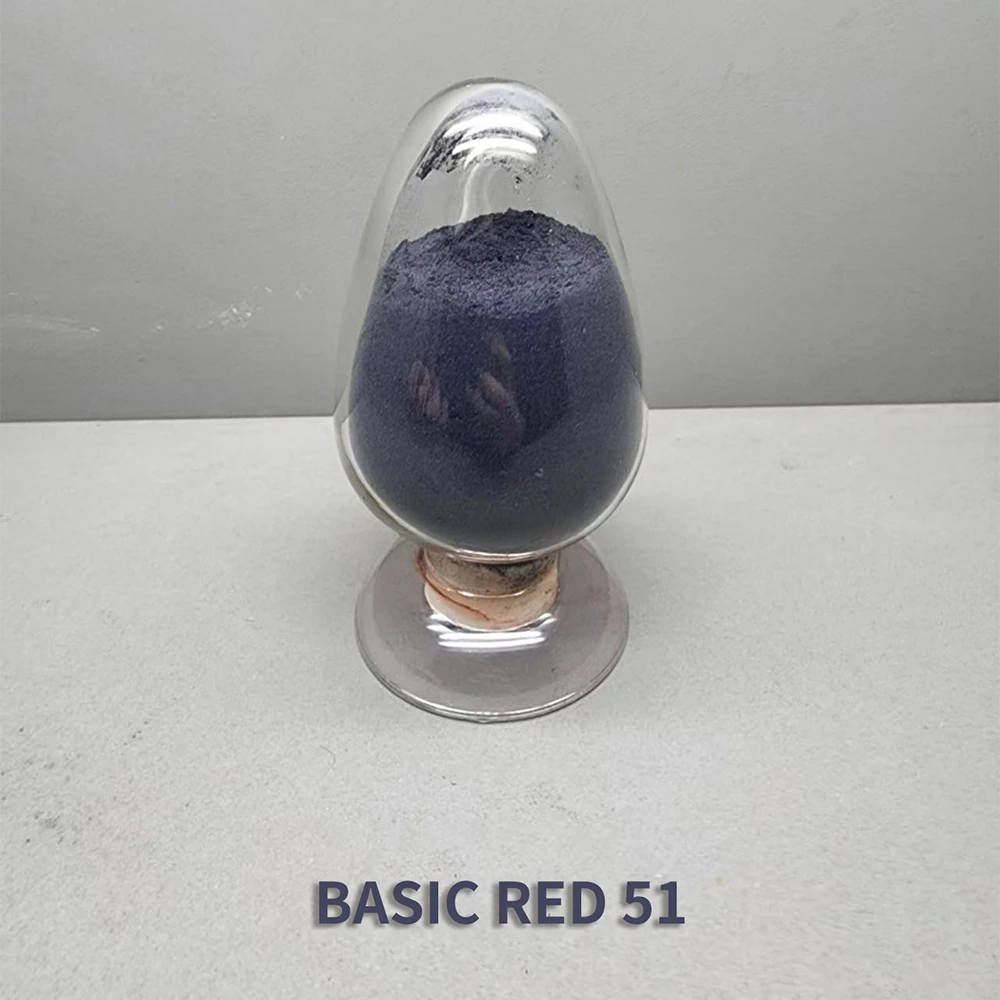
Midnight Blue Fabric Dye – Durable, Eco-Friendly Textile Solutions
Why Midnight Blue Fabric Dye Matters in Today’s Textile World
At first glance, a simple color like midnight blue fabric dye might seem like just another choice in a sea of textile options. But globally, it carries surprisingly deep significance. The versatility and deep resonance of this rich, nearly black-blue shade have made it a staple in fashion, industry, and even humanitarian aid. Understanding midnight blue fabric dye helps industries meet demands for durability, sustainability, and aesthetics simultaneously — which, frankly, isn’t always an easy balance.
Why should you care? Because the textile industry is one of the largest globally, consuming vast amounts of water, chemicals, and energy every year (the United Nations reports over 20% of industrial water pollution is from textile dyeing). Choosing better dyes, such as well-formulated midnight blue fabric colors, can reduce harmful environmental impact and deliver longer-lasting products. Plus, it’s a color that transcends trends — practical, timeless, and just a little mysterious.
Mini takeaway: Midnight blue fabric dye is more than just a hue; it’s a global textile staple with deep eco and industrial implications.
Midnight Blue Fabric Dye: What Is It Exactly?
Simply put, midnight blue fabric dye is a pigment or chemical compound used to color textiles with a dark blue shade that nearly approaches black. It’s associated with richness and depth — think of a starless night sky. But beyond aesthetics, these dyes must bind well to fibers, resist fading, and meet environmental standards.
In the textile industry, this dye isn’t just about color; it’s tied to modern demands for fast, scalable production and compliance with tighter regulations on toxic substances. It’s a quiet hero in uniforms, corporate apparel, luxury garments, and even technical fabrics used in protective gear.
Key Characteristics of Midnight Blue Fabric Dye
1. Durability and Colorfastness
One of the biggest selling points is how well midnight blue dyes resist fading after repeated washes or exposure to sunlight. Many engineers noted that such dyes often use reactive or vat dye chemistry, which penetrates fibers deeply, locking in the color for long-term durability.
2. Scalability for Mass Production
From small-scale artisanal workshops to industrial textile mills churning out thousands of meters daily, the dye process must scale efficiently. Midnight blue fabric dyes that dissolve well in water and maintain consistent shade help manufacturers achieve reliable results batch after batch.
3. Cost-Effectiveness
Achieving a rich color without exorbitant cost is crucial. The right chemical makeup can keep expenses manageable while minimizing waste. Not to mention, better yields mean less environmental burden in disposal and treatment.
4. Environmental Impact
Tighter regulations from ISO and local environmental agencies require dyes to minimize harmful effluents. Contemporary midnight blue fabric dyes often adhere to eco-friendly standards, using non-toxic ingredients and recyclable carriers to reduce water contamination.
5. Compatibility with Various Fabrics
Whether it’s cotton, polyester, or blends, the dye must bond suitably. This flexibility makes midnight blue fabric dye a go-to choice across industries, offering designers and engineers freedom in material selection.
Mini takeaway: Durability, scalability, eco considerations, and fabric compatibility define the core features of modern midnight blue fabric dyes.
Where Is Midnight Blue Fabric Dye Used Globally?
The applications are vast, but a few particularly stand out:
- Fashion & Apparel: Think of classic denim jeans, suits, even luxury evening wear where this dye lends timeless sophistication.
- Corporate Uniforms: Many multinational companies prefer midnight blue in uniforms due to its professional and practical appearance.
- Technical & Protective Workwear: In industries ranging from oil rigs to emergency services, this dye ensures garments withstand harsh environments while retaining color identity.
- Humanitarian Aid: Organizations supplying relief clothing often favor durable deep colors, including midnight blue, which maintain dignity and practicality in post-disaster situations.
- Interior Textiles: From upholstery fabrics to curtains, this color blends durability with subtle elegance.
Regions like Southeast Asia and South America have seen a boom in textile production utilizing such dyes, while new sustainability regulations in Europe push manufacturers to innovate greener dyeing methods.
Mini takeaway: Midnight blue fabric dye isn’t just aesthetic; it’s vital across fashion, industry, humanitarian efforts, and interiors worldwide.
Advantages and Why It’s Worth Investing In
There’s an emotional and logical side to choosing midnight blue fabric dye. On the logic front, durability means fewer replacements, translating to cost savings for brands and consumers alike. Sustainability-minded companies appreciate fewer toxic chemicals and lower waste. Socially, a consistent and robust color choice fosters trust— uniforms look professional, and products age gracefully.
Emotionally? The shade carries quiet confidence and composure. Professionals wearing garments dyed with midnight blue feel grounded, and consumers associate the color with quality and permanence—a factor many overlook but that definitely plays into brand loyalty.
What’s Coming Next: Trends and Innovations
The world of fabric dyeing isn’t standing still. Trends toward bio-based dyes are growing rapidly, and midnight blue hues from natural sources like indigofera plants are being refined for industrial use. Digital textile printing offers unprecedented precision in shade matching, and automation promises less waste.
Green chemistry principles are leading to dyes that require less water and energy, perfectly aligning with global carbon reduction goals. Oddly enough, the more technology advances, the more heritage and authenticity—like the timeless midnight blue—are sought out.
Challenges and How Manufacturers Are Overcoming Them
Despite progress, challenges remain. For one, achieving perfect color uniformity across vast production runs can be tricky especially with different fabric batches. Also, some traditional dyes contribute to pollution if not handled well.
But – and this is vital – innovations in wastewater treatment, closed-loop dyeing systems, and real-time color monitoring are tackling these problems head-on. Some companies even retrofit old plants, blending new tech with established infrastructure. It’s about sustainable progress rather than throwaway fixes.
FAQ: Your Questions About Midnight Blue Fabric Dye
- Q1: How long does midnight blue fabric dye last without significant fading?
- A: When applied using reactive or vat dye techniques on cotton and polyester blends, it can maintain its vibrancy through 30+ washes, depending on fabric care.
- Q2: Is midnight blue fabric dye eco-friendly?
- A: Modern formulations increasingly comply with environmental standards such as Oeko-Tex and EU REACH, minimizing toxic byproducts.
- Q3: Can midnight blue fabric dye be used on synthetic fibers?
- A: Yes, with specific dyestuff chemistry optimized for synthetics like polyester and nylon, it bonds effectively.
- Q4: Are there cost differences between midnight blue and other textile dyes?
- A: Slightly— the chemical composition to achieve this deep shade can be a bit more complex, but efficiencies in production often balance costs out.
- Q5: How does this dye perform in harsh environments or heavy exposure?
- A: It is used widely in technical and industrial apparel for its resistance to sunlight and abrasion, making it suitable for demanding applications.
Midnight Blue Fabric Dye Specification Table
| Specification | Details |
|---|---|
| Color Shade | Midnight Blue (Near Black-Blue) |
| Dye Type | Reactive & Vat Dyes |
| Compatible Fabrics | Cotton, Polyester, Blends, Nylon |
| Colorfastness (Washing) | Grade 4-5 (ISO 105-C06) |
| Environmental Compliance | Oeko-Tex, REACH |
| Typical Lead Time | 2-4 weeks (Bulk) |
Comparing Midnight Blue Dye Providers
| Vendor | Eco Compliance | Price Range (per kg) | Global Reach | Scalability |
|---|---|---|---|---|
| YanHong Chem | Certified Oeko-Tex & REACH | $15 - $20 | Asia, Europe, Americas | High (Industrial Scale) |
| BlueWave Dyes | Partial Eco Certifications | $12 - $18 | Primarily Europe | Medium |
| IndigoPro | Focus on Natural Dyes | $20 - $25 | Global But Small Scale | Low to Medium |
Wrapping It Up
Midnight blue fabric dye might seem like just a color choice at first, yet it embodies far more: a convergence of tradition, durability, sustainability, and global importance. From the brightly lit fashion runways to the pragmatic garments of relief workers, it carries silent stories of human needs and careful innovation. As dye technologies evolve with greener chemistry and smarter manufacturing, this timeless color will continue to serve industries and artisans alike.
If you want to explore premium and eco-conscious midnight blue fabric dyes, feel free to visit YanHong Chem’s website today — their offerings blend quality and sustainability in ways that really impress.
References:
1. United Nations Industrial Development Organization, Environmental Impact of Textile Industry,
2. ISO 105 - Textiles - Tests for Colorfastness,
3. Oeko-Tex Standard 100 Certification documents (www.oeko-tex.com).
-
Mauve Fabric Dye: Durable, Sustainable Textile Solutions | YanhongchemNewsJan. 04, 2026
-
China Basic Dye Factory: High-Purity, Fast Delivery, GreenNewsDec. 13, 2025
-
Premium Fabric Dye For Sale | Durable Industrial Textile Dyes from Yanhong ChemNewsDec. 03, 2025
-
Red Fabric Dye for Industry – Durable High-Performance Dye Solutions by YanhongchemNewsDec. 04, 2025
-
Upholstery Fabric Dye: Durable, Customizable, and Environmentally CompliantNewsDec. 11, 2025
-
Durable Charcoal Grey Fabric Dye for Industrial Textiles | Reliable SuppliersNewsJan. 06, 2026