High-Performance cationic dye Solutions for Chile's Textile Sector

Advanced chemical synthesis designed to optimize color vibrancy and durability for the specialized dyeing industry in the South American market.

High-Performance cationic dye Solutions for Chile's Textile Sector

Providing the Chilean manufacturing landscape with premium-grade basic dyes that ensure superior fixation and brilliant shades for acrylic and modified polyester fibers.

Analyzing the dyeing industry Status in Chile

The intersection of environmental regulation and industrial demand in the South American cone.

Chile's textile landscape is characterized by a strategic shift toward high-value specialized fabrics. Due to the diverse climatic conditions—from the arid north to the humid south—there is a significant demand for durable and weather-resistant coloring agents, making cationic dyestuff critical for producing high-visibility and outdoor apparel.

The regional market currently faces a challenge in balancing industrial output with strict water conservation laws, especially in central Chile. This has pushed local manufacturers to seek more efficient dyes that reduce water waste and chemical runoff during the exhaustive dyeing process.

Furthermore, the growth of the synthetic fiber market in Chile has increased the reliance on basic cationic dyes. Local factories are transitioning from basic batch processing to automated, precision-controlled systems to maintain international quality standards for export.
Evolution of dyeing textile Technologies in Chile

From traditional immersion to eco-intelligent coloring systems.

Market Development History

Between 1990 and 2005, the Chilean market relied heavily on imported generic dyes with basic fixation methods. The focus was primarily on volume, with limited regard for the chemical purity of the dyestuffs used in the early dyeing industry.

From 2006 to 2018, a technical pivot occurred as the industry adopted more sophisticated acrylic fibers. This period saw the introduction of refined cationic agents that allowed for deeper penetration and higher color fastness, reducing the rate of fabric degradation.

Since 2019, the trajectory has shifted toward "Green Chemistry." The focus is now on low-temperature dyeing and the elimination of hazardous intermediaries, aligning with Chile's national sustainability goals for industrial manufacturing.

Future Development Trends

Digital Color Matching Integration

The integration of AI-driven spectrophotometry to precisely calibrate cationic dye concentrations, reducing trial-and-error waste in the laboratory.

Bio-compatible Auxiliary Agents

A move toward organic leveling agents that complement basic dyes to ensure uniform distribution without harming the aquatic ecosystem.

Nano-encapsulation for Fastness

Research into nano-carriers for dyestuffs to enhance the UV resistance of textiles, a critical requirement for Chile's high-altitude solar exposure.

Future Outlook for Chilean Speciality Chemicals

Anticipating the shift toward sustainable and high-precision chemical manufacturing.

Eco-Efficiency Standards
Adopting ZDHC (Zero Discharge of Hazardous Chemicals) standards to ensure all cationic agents are biodegradable.
Smart Dyeing Automation
Transitioning to IoT-enabled vats that automatically adjust pH and temperature for optimal dye uptake.
Waterless Dyeing Tech
Exploring supercritical CO2 dyeing to eliminate the need for water in the cationic process.
Customized Molecular Design
Designing tailored molecules to improve affinity for recycled acrylic polymers.

Industry Outlook

Google search trends indicate a rising interest in "Sustainable Textile Chemistry" and "Water-saving dyes" within Chile. We anticipate a 15% increase in demand for high-purity cationic agents that require shorter rinsing cycles over the next 3 years.

The market will likely consolidate around a few high-tech suppliers who can provide not just the chemicals, but the technical support for implementation in energy-efficient dyeing machinery.

Localized Application Scenarios in Chile

Practical implementations of our chemical solutions across various Chilean sectors.

01. High-Visibility Industrial Workwear

Utilizing ultra-bright basic dyes for the mining sector in Antofagasta, ensuring safety garments maintain fluorescence under harsh UV conditions.

02. Luxury Knitwear for Southern Regions

Applying precision cationic agents for acrylic-wool blends used in high-end winter clothing produced in the Patagonia region.

03. Technical Sportswear for Andean Athletes

Developing moisture-wicking fabrics with deep-set cationic dyes that resist fading during intense athletic activities in mountainous terrain.

04. Automotive Interior Textiles

Implementing heat-stable dyeing solutions for synthetic upholstery used in Chile's growing electric vehicle assembly plants.

05. Eco-certified Home Textiles

Using low-impact cationic dyestuffs for sustainable upholstery and curtains tailored for the Santiago urban market.

Brand Story

Global Development Journey of Xingtai Yanhong Chemical Technology Co., Ltd.

Foundation and Core Vision

Established with a mission to solve the instability of color fixation in synthetic fibers, focusing on high-purity chemical synthesis.

R&D Technological Breakthrough

Developed a proprietary purification process for basic dyes, significantly reducing impurity levels and improving shade consistency.

Global Market Expansion

Extended our footprint into South America, providing customized technical support for the Chilean and Brazilian textile industries.

Sustainable Certification

Achieved international eco-labels, ensuring our products meet the most stringent environmental requirements of the modern era.

Future Industry Leadership

Aiming to lead the transition toward intelligent, waterless dyeing chemicals for a greener planetary future.

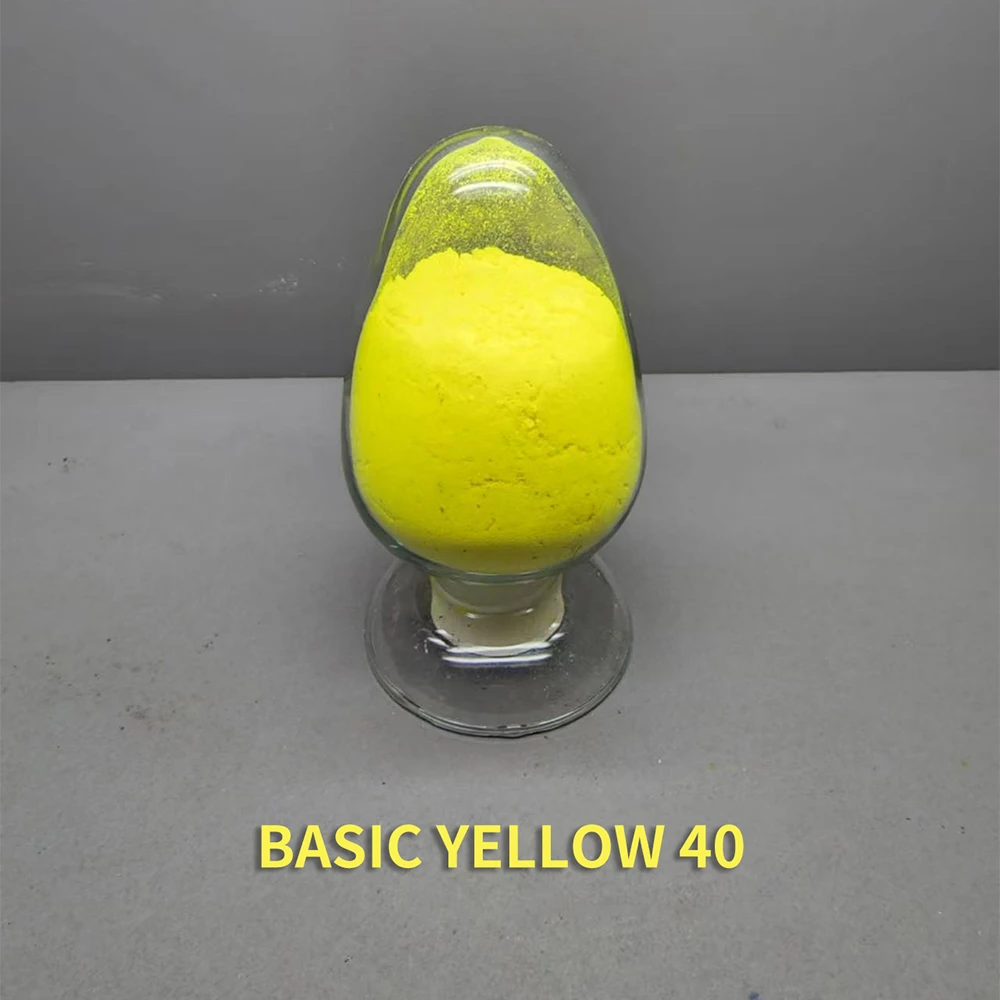
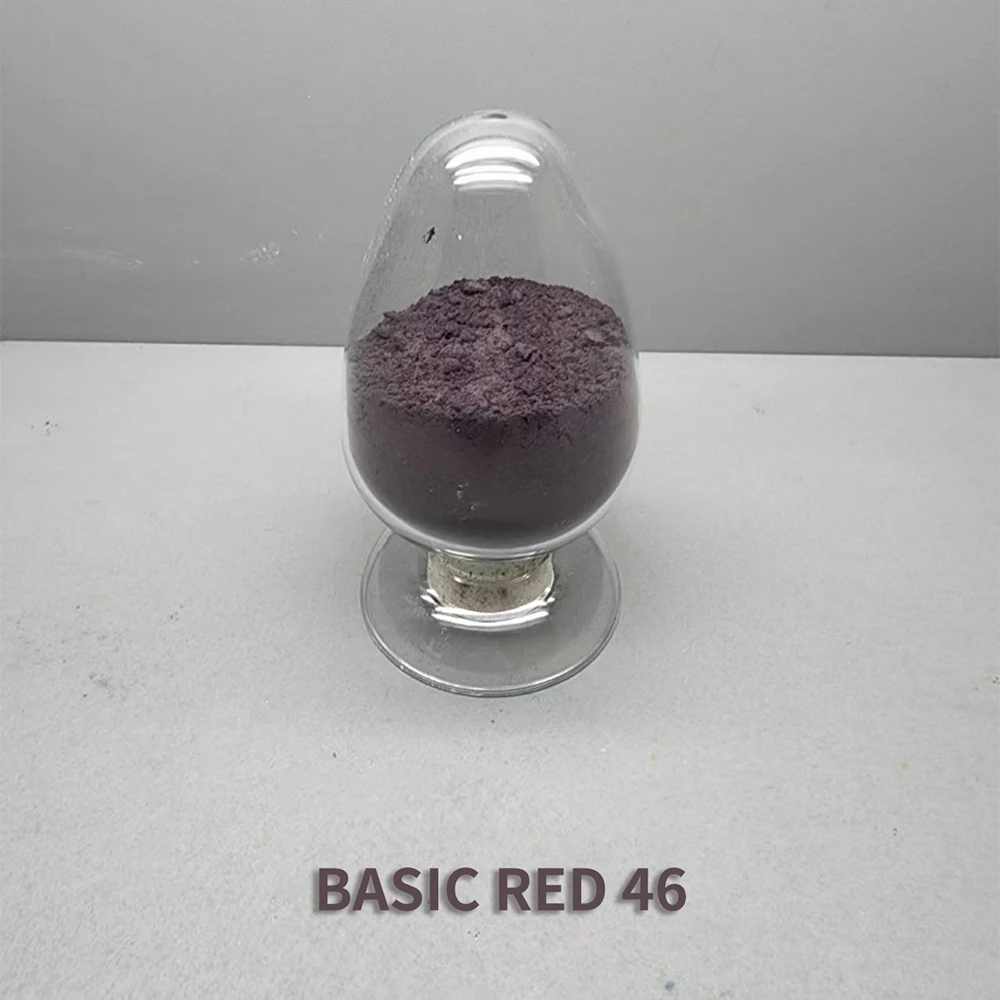
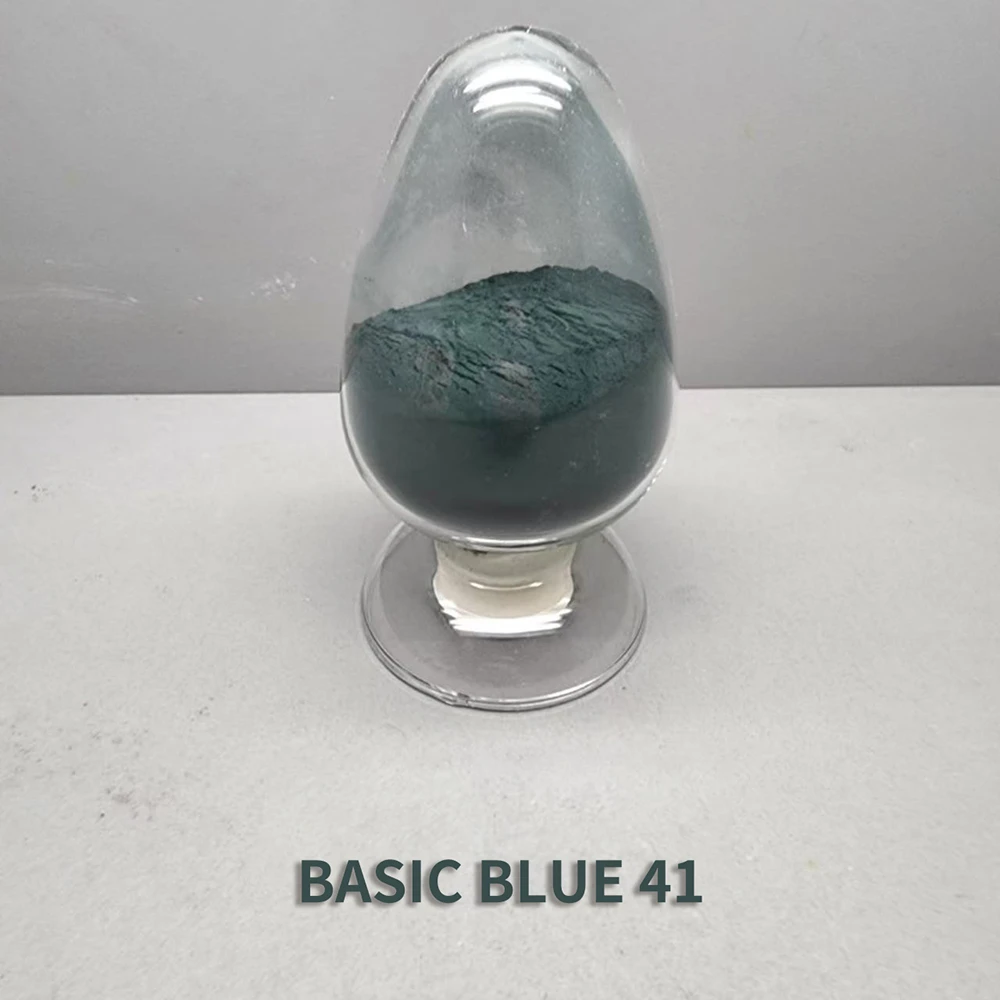
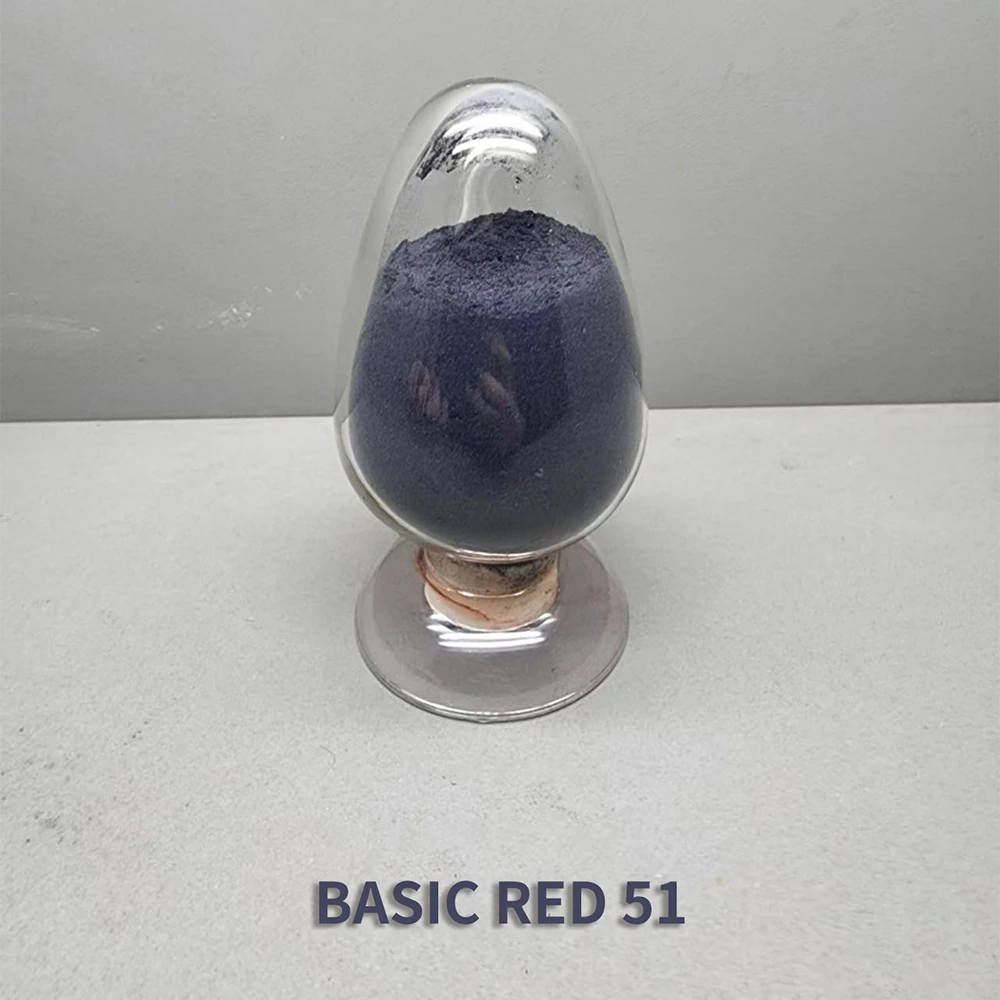
Comprehensive Product Portfolio for the Chilean Market

A curated selection of high-affinity dyes and auxiliaries optimized for local fiber types.

Common Questions in Chile's Dyeing Sector

Technical insights and operational guidance for professional dyers.

How to optimize the uptake of basic cationic dyes in acrylic fibers?

Optimizing uptake requires precise temperature control and a gradual heating rate to prevent "ringing" or uneven color distribution on the fabric.

Which cationic dyestuff provides the best UV resistance for Chilean outdoor textiles?

Our high-molecular-weight basic dyes are specifically designed to resist photo-degradation, making them ideal for the high-UV environment of the Andes.

Can these dyes be used in low-water dyeing processes?

Yes, our advanced formulations are compatible with low-liquor ratio machines, significantly reducing water consumption and wastewater treatment costs.

What is the difference between basic cationic dyes and standard acid dyes?

Basic dyes possess a positive charge, allowing them to bond strongly with negatively charged acrylic fibers, offering far superior vibrancy than acid dyes.

How does the dyeing industry in Chile handle effluent from cationic processes?

Local industry typically uses coagulation and flocculation followed by biological treatment to remove residual cationic charges before discharge.

Are these products compatible with recycled polyester blends?

Absolutely. We have developed modified cationic agents that can bond with recycled polymers, supporting the circular economy in Chile.

Ready to Upgrade Your Color Chemistry?

Partner with the leading specialists in specialized chemical manufacturing to optimize your production in Chile.

Contact Us Now

If you are interested in our products, you can choose to leave your information here, and we will be in touch with you shortly.