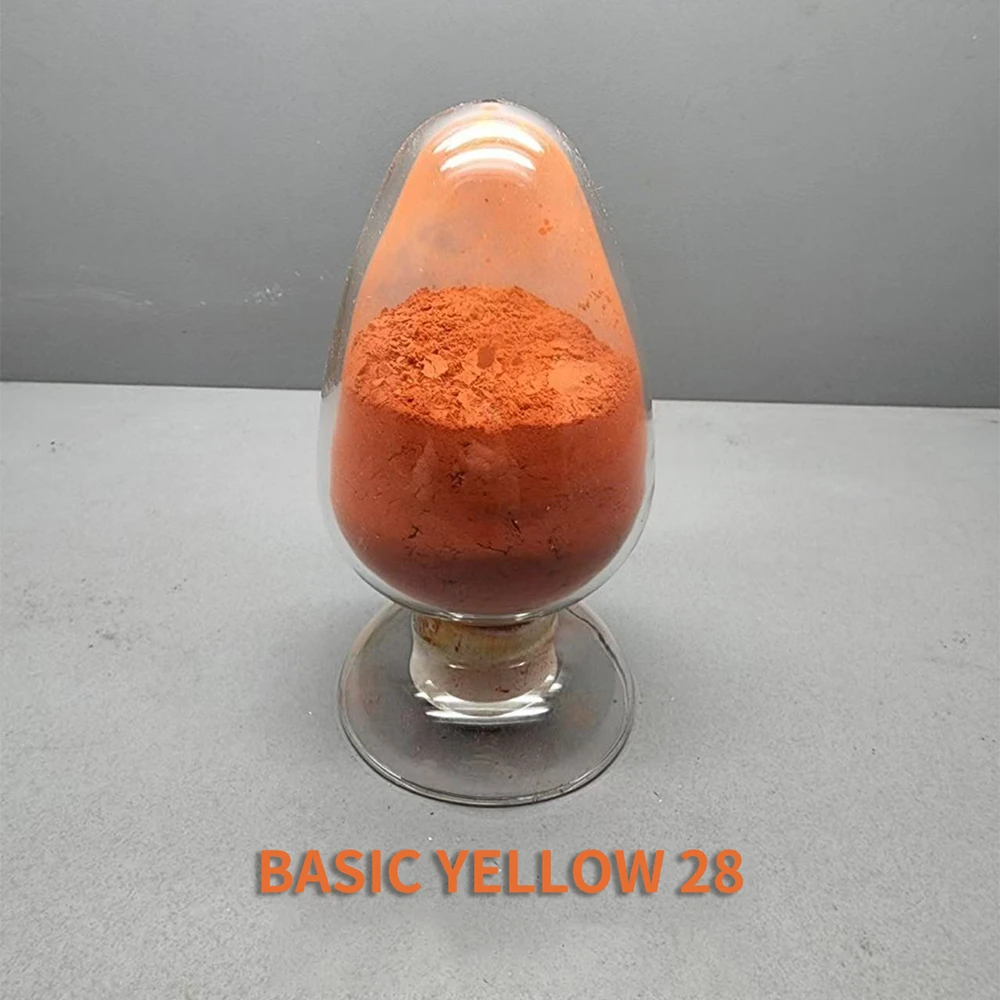
High-Performance Basic Cationic Dyes Solutions for Venezuela

Optimizing the textile coloring process with advanced chemical precision for the Venezuelan manufacturing sector.

High-Performance Basic Cationic Dyes Solutions for Venezuela

Providing the Venezuelan dyeing industry with superior color fastness and vibrant saturation for synthetic fibers.

Chemical Manufacturing Landscape in Venezuela

Analysis of current operational challenges and opportunities in the local dyeing sector.

The textile sector in Venezuela currently operates under a complex economic framework where the demand for high-quality cationic dye remains steady despite volatility. Local manufacturers are increasingly seeking efficient chemical inputs that can withstand varied humidity levels typical of the Caribbean coast, ensuring color consistency in acrylic and modified polyester fibers.

Operational constraints in the Venezuelan manufacturing zone have led to a critical need for cationic dyestuff that offers higher exhaustion rates. This reduces the chemical waste load on local water treatment systems, which is a growing concern for industrial zones in cities like Valencia and Caracas.

Furthermore, the shift toward imported specialty chemicals is accelerating as local plants upgrade their machinery. The integration of advanced dyeing textile technologies requires raw materials with extreme purity to prevent clogging in automated dosing systems.
Evolution of the Dyeing Industry in South America

Tracing the technical trajectory from manual batching to precision chemical engineering.

Market Development History

From 1980 to 2000, the Venezuelan textile market relied heavily on basic pigment dispersions and primitive batch dyeing methods, characterized by high water consumption and inconsistent shade reproduction across different fabric lots.

Between 2000 and 2015, the transition toward synthetic fiber specialization occurred. This era saw the introduction of stabilized basic cationic dyes, allowing for the mass production of vibrant acrylic knitwear and industrial fabrics with improved light fastness.

From 2015 to the present, the focus has shifted toward "Smart Chemistry." The industry is now implementing digital color matching and eco-friendly auxiliaries to optimize the efficiency of the dyeing industry, reducing the carbon footprint per kilogram of fabric.

Future Development Trends

Low-Temperature Dyeing Cycles

A shift toward catalysts that allow dyes to penetrate fibers at lower temperatures, significantly reducing energy costs for Venezuelan factories.

Water-Recycling Compatible Dyes

Development of chemical structures that allow for easier separation of unfixed dyes from effluent water, supporting circular economy goals.

Precision Molecular Structuring

Using nanotechnology to create dyes with targeted affinity, reducing the amount of salt and acid required during the fixation process.

Future Outlook for Cationic Dyeing Technology

Strategic forecasting for the next 3-5 years based on global chemical search trends.

Eco-Certification Integration
Increased demand for Oeko-Tex compliant chemicals to enable Venezuelan exports to European markets.
Digital Color Management
Integration of AI-driven spectrophotometry to reduce sample iterations and waste in textile mills.
Hybrid Fiber Affinity
Developing dyes that work seamlessly on blended fabrics (Acrylic/Cotton/Polyester) for versatility.
Waste-to-Resource Chemistry
Adopting closed-loop systems where dyeing residues are repurposed for other industrial chemical uses.

Industry Outlook

Analysis of Google search trends indicates a rising interest in "sustainable textile chemicals" and "high-exhaustion dyes" within the South American region. This suggests that Venezuelan manufacturers are moving away from cost-only procurement toward value-based procurement that prioritizes long-term efficiency.

In the next five years, the integration of digital supply chains will allow for just-in-time delivery of specialty cationic dyestuff, reducing inventory costs for local mills and allowing for faster adaptation to fashion color trends.

Localized Applications in Venezuela

Practical implementation of specialized dyeing solutions across diverse Venezuelan industrial sectors.

01. Acrylic Knitwear Production in Andean Regions

Utilization of high-intensity dyes for winter garments produced in the cooler mountainous regions, ensuring deep penetration and warmth-retaining fabric textures.

02. Industrial Safety Apparel for Oil & Gas

Applying specialized dyes to high-visibility synthetic fabrics used in the Orinoco Belt, focusing on extreme UV resistance and chemical stability.

03. Automotive Interior Textiles

Developing fade-resistant colors for vehicle seating and trim for the local automotive assembly plants, ensuring longevity under intense tropical sunlight.

04. Home Furnishing and Upholstery

Implementing large-scale dyeing textile processes for luxury upholstery fabrics catering to the Caribbean hospitality market.

05. Performance Sportswear Manufacturing

Using moisture-wicking synthetic blends dyed with low-migration cationic agents for the growing athletic apparel market in urban centers.

Brand Story

Global Development Journey of Xingtai Yanhong Chemical Technology Co., Ltd.

Foundational Research

Started with a commitment to solving the instability of basic dyes, focusing on molecular purity to eliminate shade variance.

Technological Breakthrough

Developed proprietary synthesis methods for cationic agents that increased fabric exhaustion rates by 20%.

Global Market Expansion

Expanded logistics networks to South America, providing tailored chemical solutions for the diverse Venezuelan climate.

Sustainable Innovation

Launched a line of eco-friendly dyestuffs that drastically reduce wastewater toxicity in the textile industry.

Industry Leadership

Now recognized as a premier partner for specialty chemical manufacturing, bridging the gap between lab precision and industrial scale.

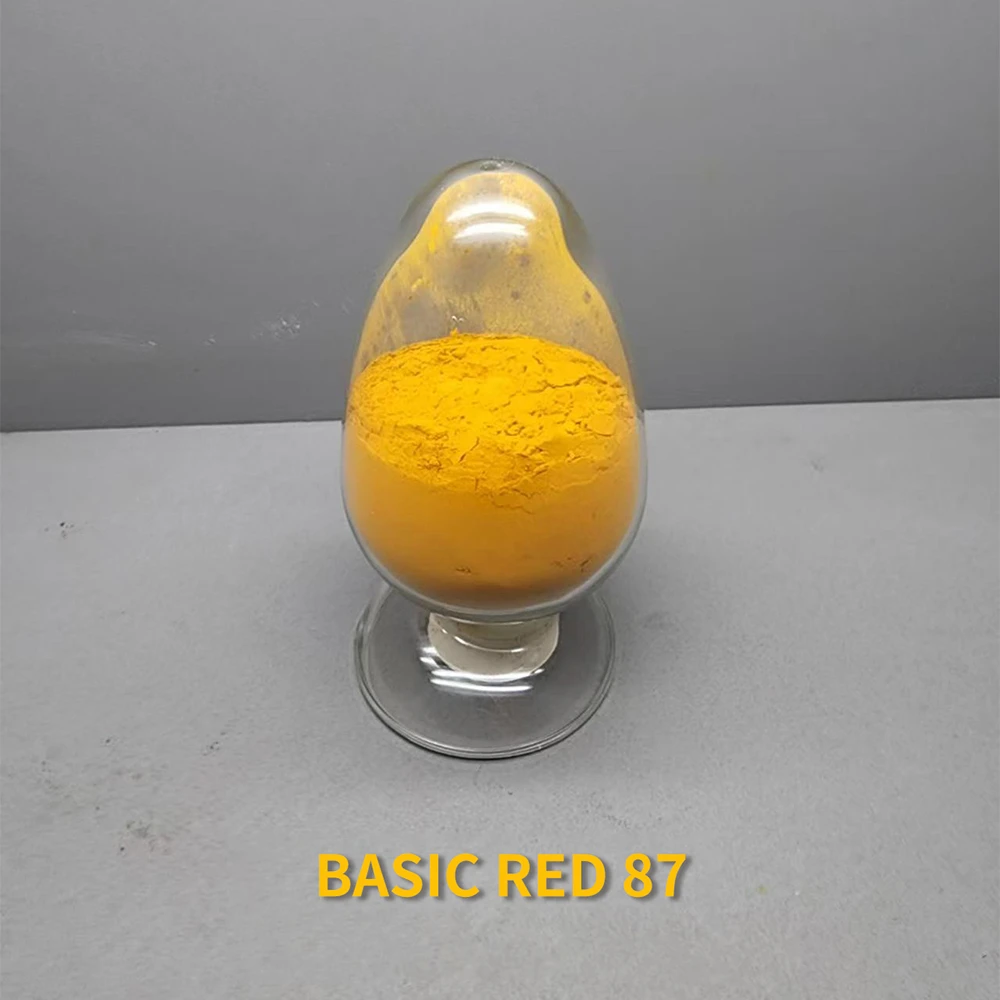
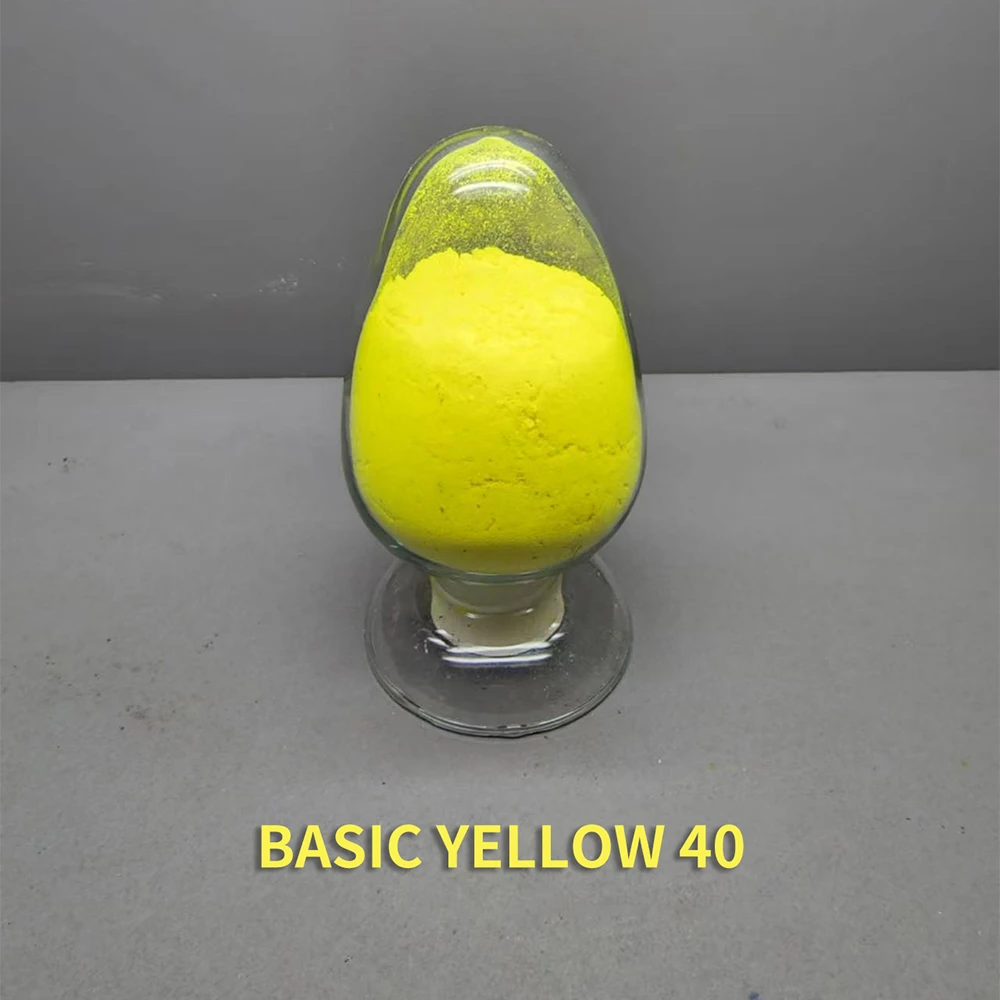
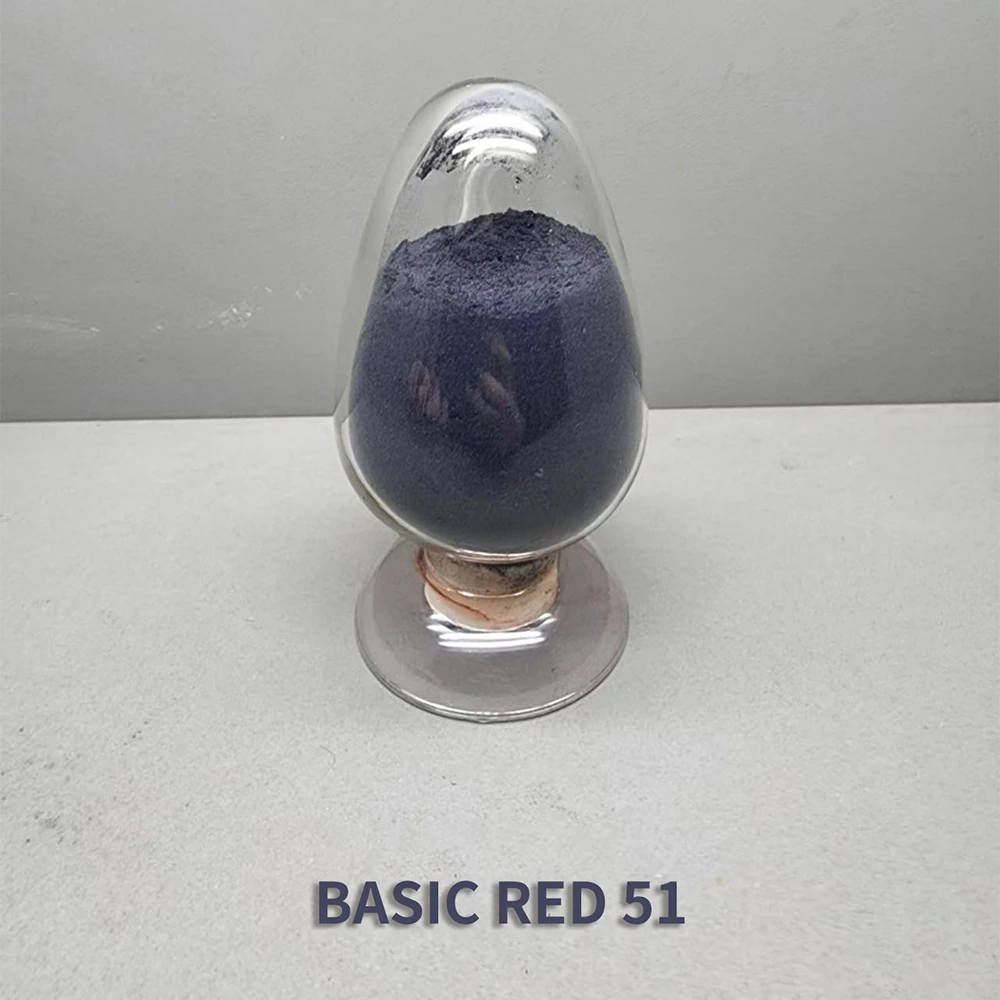
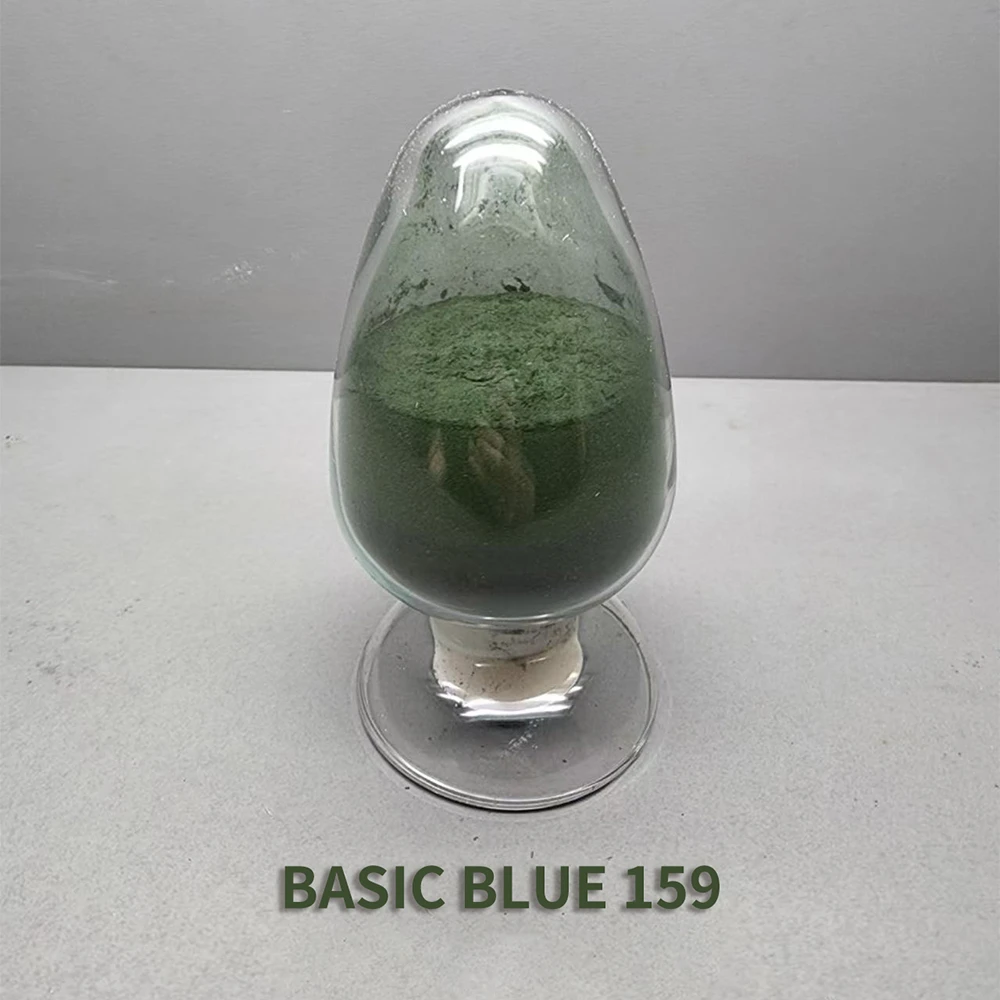
Comprehensive Product Portfolio for Venezuela

A curated selection of high-performance dyes engineered for the South American textile market.

Venezuela Dyeing Industry FAQ

Addressing common technical and logistical queries from local manufacturers.

How to ensure color consistency using cationic dye in humid climates?

Using stabilized basic cationic dyes and maintaining a controlled pH environment during the dyeing cycle prevents atmospheric moisture from affecting the shade fixation.

What is the best cationic dyestuff for acrylic blends used in Venezuela?

Our high-affinity basic dyes are specifically formulated for blends, ensuring that both the acrylic and synthetic components achieve uniform saturation.

How can the dyeing industry in Venezuela reduce water consumption?

By adopting high-exhaustion dyes that require fewer rinse cycles, plants can reduce water usage by up to 30% while maintaining quality.

Are these basic cationic dyes compatible with automated dyeing textile machinery?

Yes, our products are filtered to micron-level purity to prevent nozzle blockage in automated dosing systems common in modern Venezuelan factories.

What is the light-fastness rating of your cationic dyes for outdoor fabrics?

Our specialized range offers Grade 6-8 light-fastness, making them ideal for the high-UV environment of South America.

How to optimize the cost of raw materials in the dyeing textile sector?

Concentrating on high-yield dyes that require lower dosages per kg of fabric is the most effective way to reduce total chemical expenditure.

Expert Chemical Consulting

Connect with our technical team for customized dyeing formulations tailored for the industrial needs of Venezuela.

Contact Us Now

If you are interested in our products, you can choose to leave your information here, and we will be in touch with you shortly.