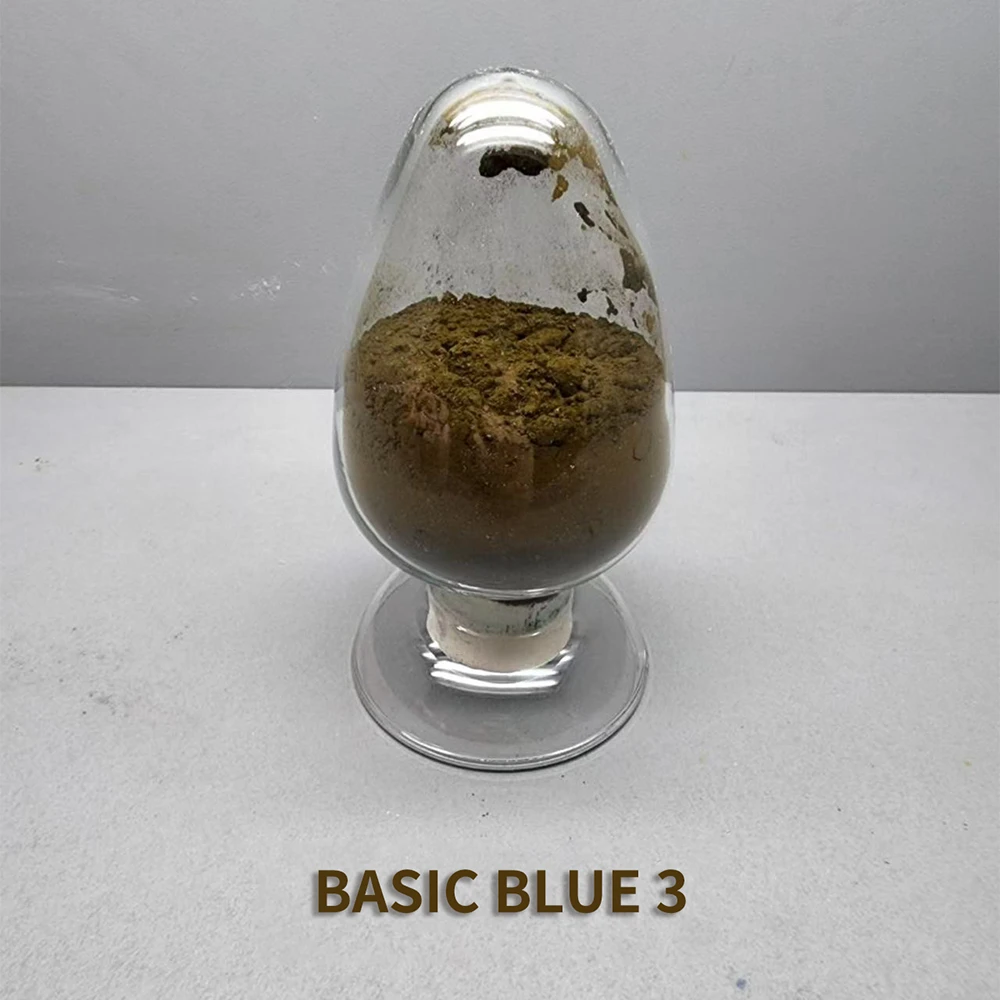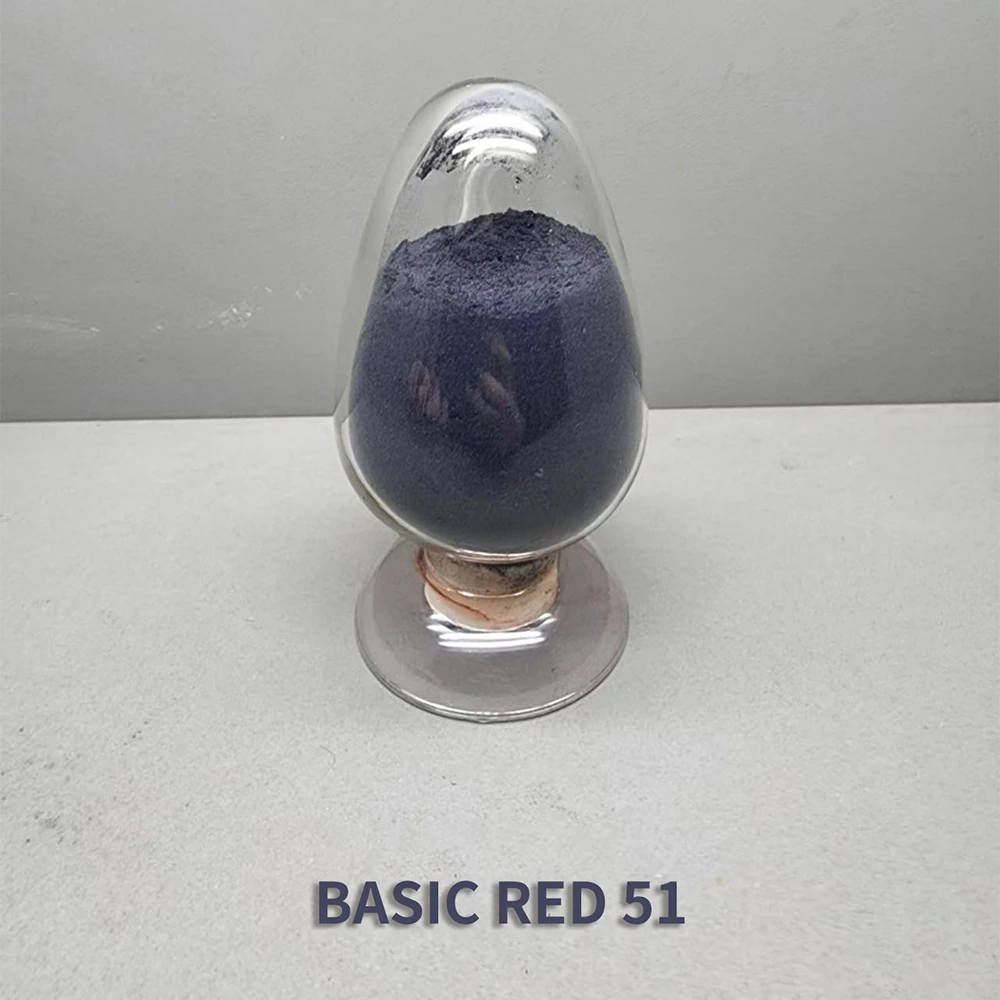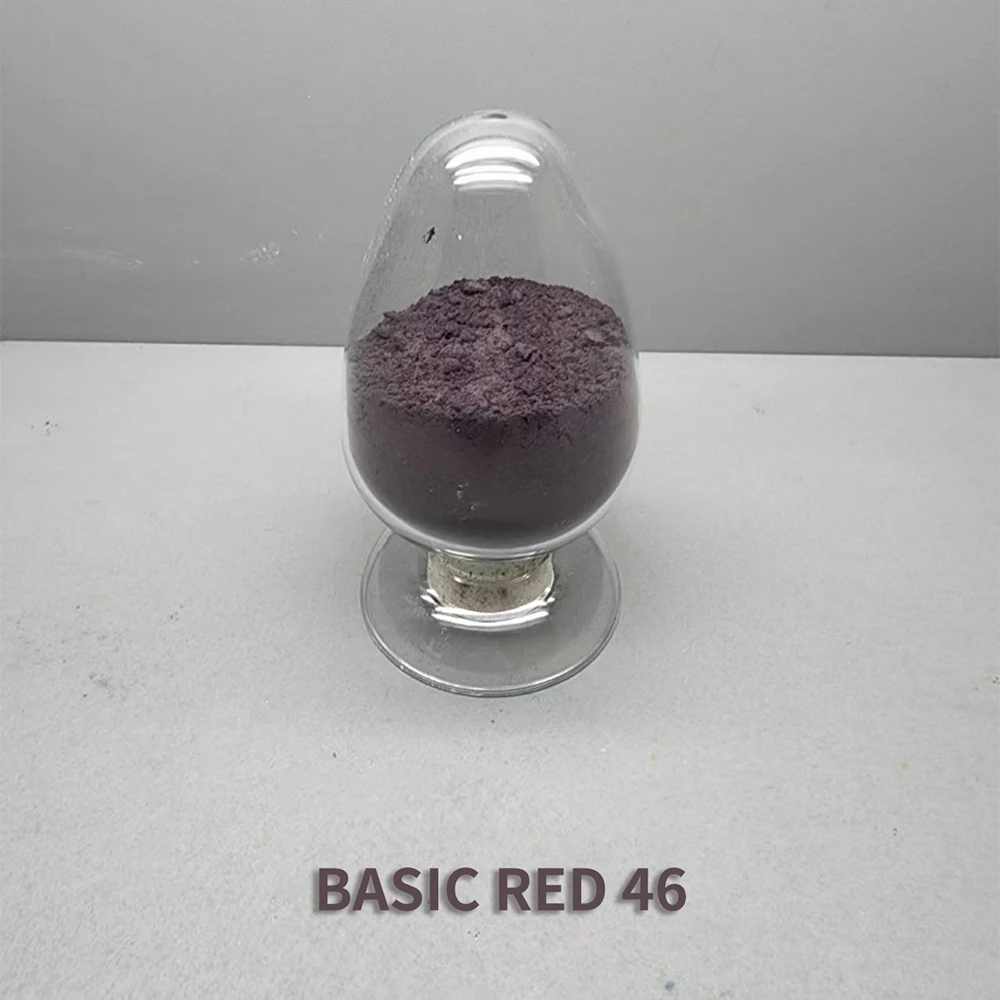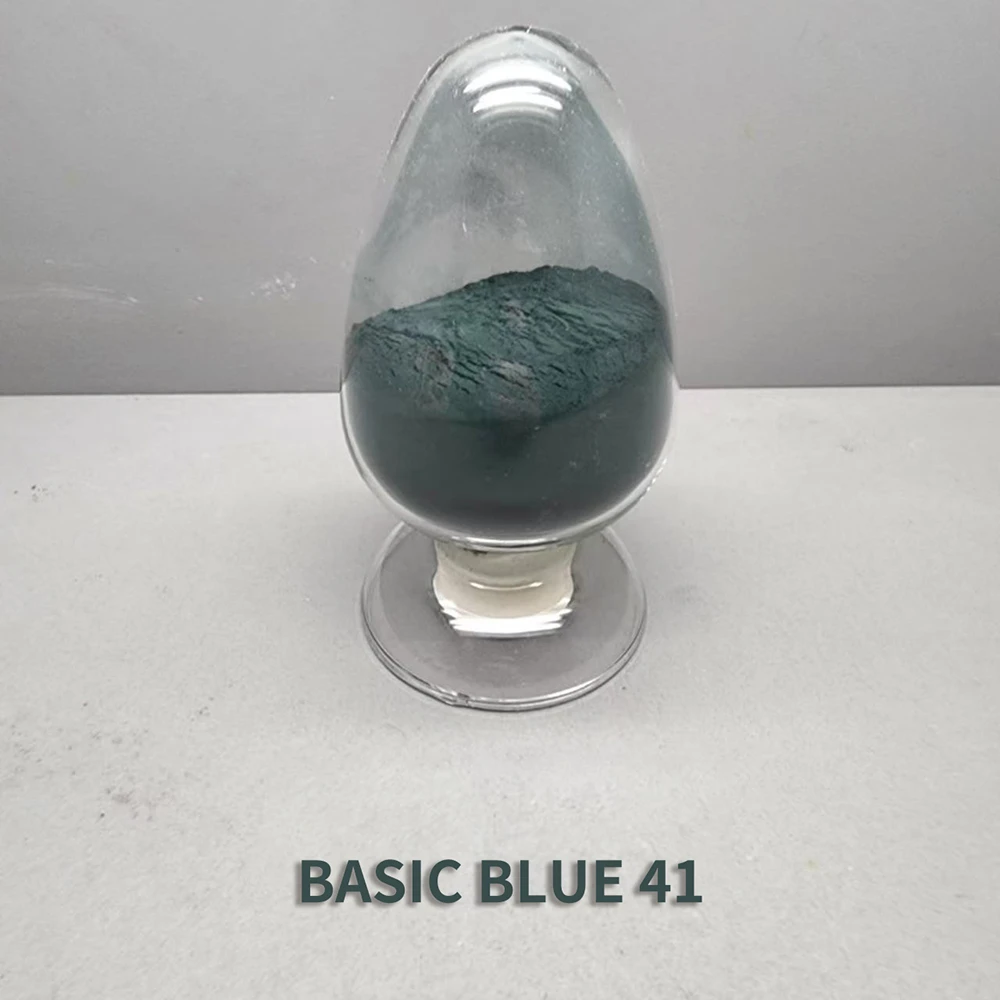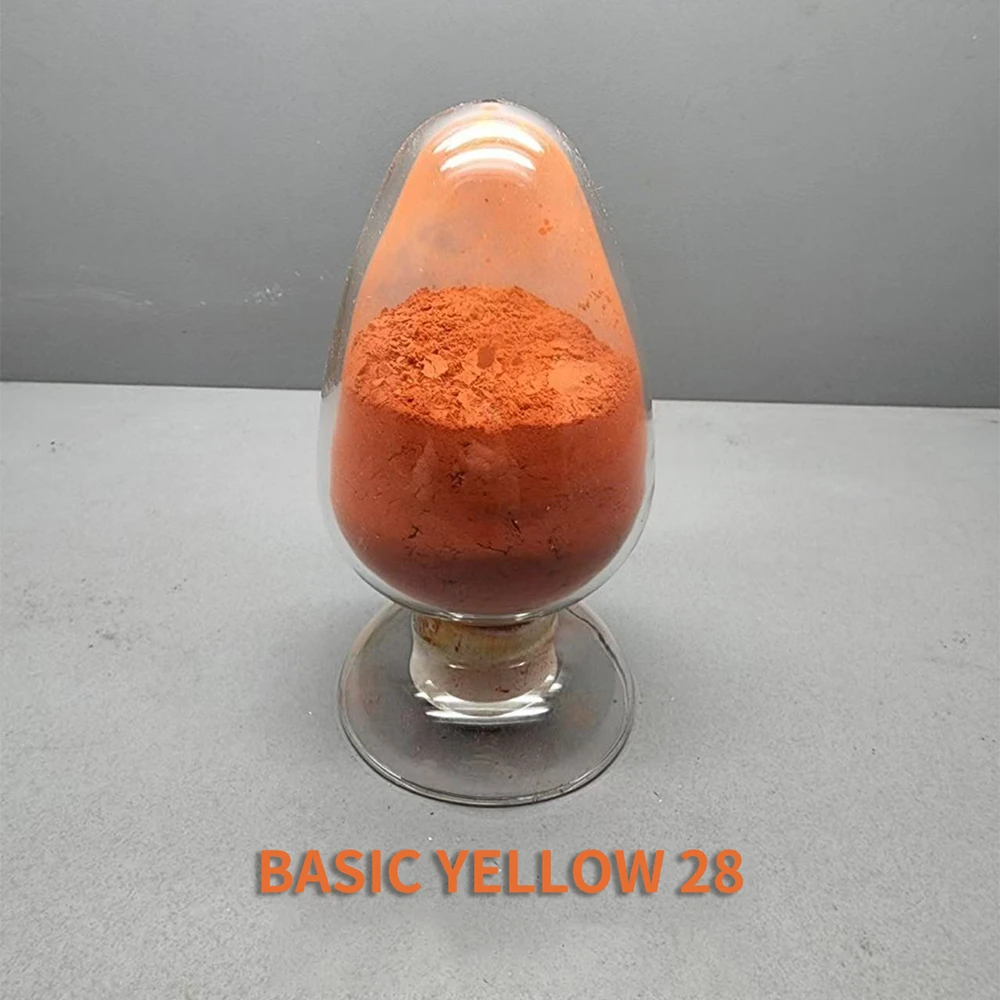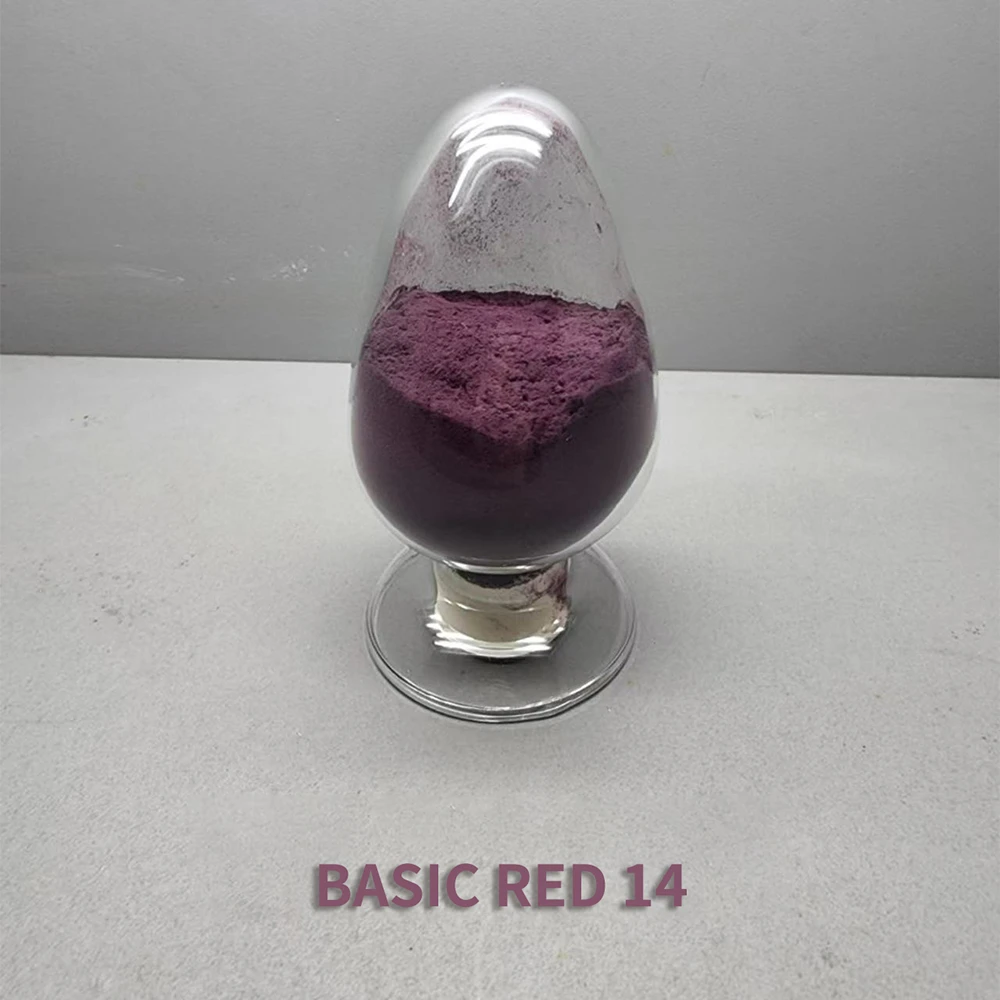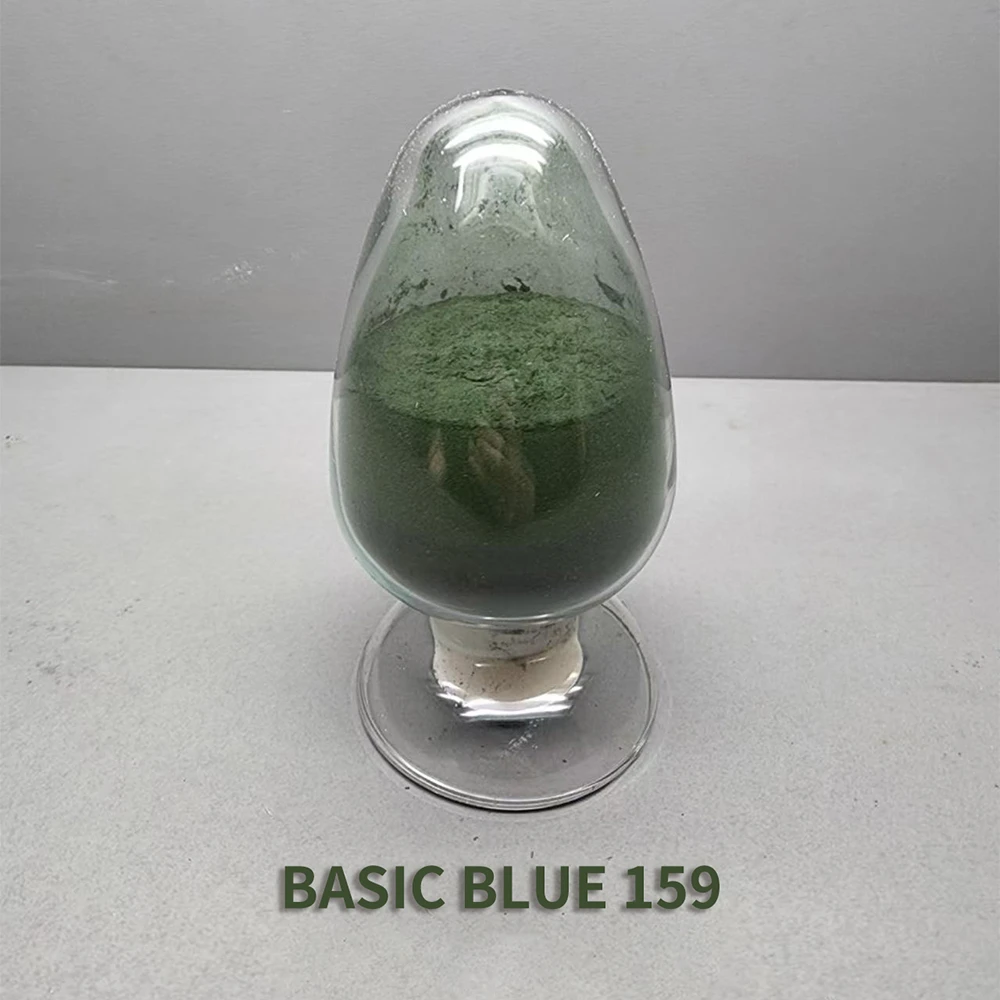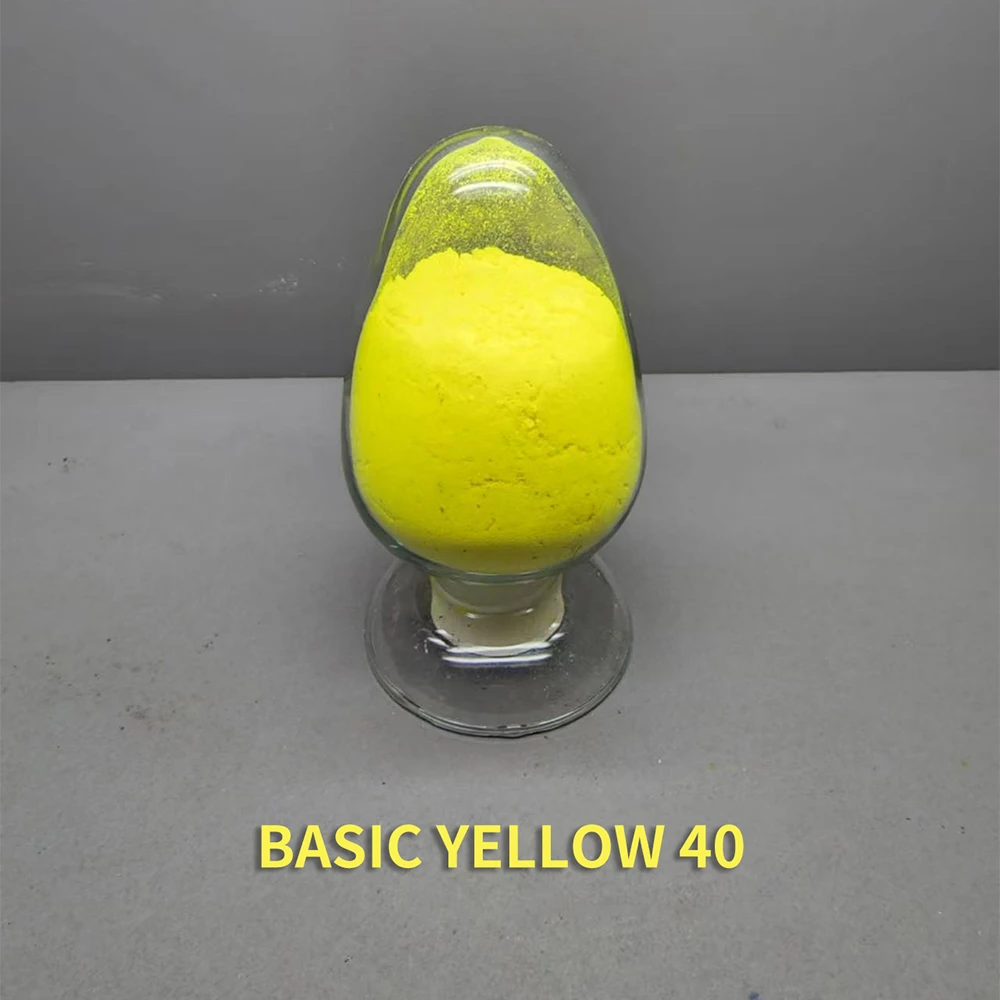
Fabric Dye for Bleach Stains – Durable, Eco-Friendly Textile Restoration Solutions
Understanding Fabric Dye for Bleach Stains: Why It Matters
Bleach stains on fabric feel almost like an unfixable blemish, don’t they? A small splash, and suddenly your favorite shirt or upholstery looks permanently damaged. But what if we could reverse that—or at least mask it convincingly? That’s where fabric dye for bleach stains steps in. It’s a niche yet remarkably important area within textile care and restoration, touching everything from household laundry to industrial fabric maintenance.
Globally, textile production consumes billions of dollars worth of fabric every year, and the damage caused by accidental bleach spills isn’t trivial. Industries and individuals alike seek affordable, effective ways to restore and prolong the life of fabrics affected by bleach. Understanding this kind of fabric dye can not only save money but also reduce waste, promoting sustainability in a world that desperately needs it.
So, whether you’re a DIY enthusiast, a commercial laundry operator, or managing textiles for hospitality, the knowledge behind fabric dyes designed specifically for bleach damage offers practical and environmental benefits.
Mini takeaway: Fabric dye for bleach stains isn’t just about aesthetics—it’s about extending fabric life and reducing textile waste on a meaningful scale worldwide.
The Global Context: Bleach Damage and Textile Preservation
Bleach is widely used around the world for disinfection and cleaning—especially after the pandemic’s reinforcement of hygiene protocols. The World Health Organization recommends bleach as a cost-effective disinfectant in many settings, from hospitals to homes. However, the downside is that accidental contact with fabrics leads to irreversible damage due to the chemical’s oxidative action.
The global textile industry, valued in the trillions of dollars, records a significant volume of discarded garments and upholstery yearly. In fact, according to the Textile Exchange, nearly 92 million tons of textile waste is generated annually worldwide. Fabric dye for bleach stains serves as an intervention to help mitigate this problem by enabling fabric repair rather than replacement.
Without such specialized dyes and restoration methods, the waste burden would grow, forcing more raw materials consumption with adverse environmental impacts.
Mini takeaway: Solving bleach stain issues at scale addresses both consumer concerns and larger sustainability challenges within the textile sector.
What Exactly Is Fabric Dye for Bleach Stains?
In simple terms, fabric dye for bleach stains refers to a specialized coloring agent formulated to mask or restore fabrics that have been chemically lightened or discolored by bleach exposure. Unlike standard fabric dyes, these products work specifically to even out color discrepancies caused by the oxidizing bleach agents.
Often, they contain advanced dye molecules and binding agents tailored to adhere over the damaged fibers without further degradation. This makes them invaluable in textile maintenance, laundry services, and even humanitarian aid, where fabric longevity and resiliency are critical.
Oddly enough, this niche has become increasingly relevant in developing regions, where fabric replacement isn’t always economically feasible, and in professional settings where appearance and safety standards demand rapid textile restoration.
Mini takeaway: Fabric dye for bleach stains is a targeted solution designed precisely to correct or camouflage discoloration caused by bleaching chemicals.
Key Components and Factors Behind Effective Bleach Stain Dyes
1. Colorfastness and Durability
One of the biggest challenges is ensuring the dye won’t fade or wash out after application. Many engineers I’ve spoken to stress how critical it is to balance vibrancy with longevity. These dyes typically include fixatives that lock pigments deep into fibers, so the repaired area withstands future wash cycles.
2. Compatibility with Different Fabrics
From cotton to polyester blends and even delicate silks, fabric dye for bleach stains must adapt. This requires a tailored chemical formula, often including variable pH levels and solvent bases depending on fiber type—a technical puzzle in itself.
3. Ease of Application
In commercial settings, fast and user-friendly application methods—whether sprays, pens, or dips—make a huge difference. Some formulations cure at room temperature, while others need heat-setting.
4. Safety and Environmental Impact
Given the chemical nature, low toxicity and biodegradability are increasingly prioritized. Many vendors are reformulating to meet stricter ISO standards for environmental safety.
5. Cost Efficiency
For widespread adoption, especially in developing markets, the dye must be affordable without sacrificing quality. Bulk purchasing options and concentrated formulas help here.
6. Customizability for Color Matching
Bleach stains vary widely, requiring personalized color blends or on-site mixing. This flexibility boosts chances of a flawless repair.
Mini takeaway: Effective bleach stain dyes combine durability, versatility, safety, and affordability to meet diverse textile challenges.
Global Applications: Where and How Are These Dyes Used?
Fabric dye for bleach stains is far from just a household remedy. In hospitality, hotels frequently use it for quick textile repairs, avoiding costly replacements. Industrial laundries incorporate it to maintain uniforms and linens that are accidentally exposed to bleach.
In more humanitarian contexts, organizations providing disaster relief or refugee support often rely on these dyes to extend the usability of donated or reused fabrics—those may be discolored from harsh cleaning chemicals used for sanitation. For example, in regions recovering from floods or conflicts, fabric dye for bleach stains helps maintain dignity and comfort through clean-looking garments and bedding.
Also, creative artisans and textile upcyclers use these dyes to give new life to "failed" fabrics, fitting into broader circular economy models.
Mini takeaway: These dyes play roles from upscale commercial use to grassroots sustainability efforts worldwide.
Advantages and Long-Term Value of Using Fabric Dye for Bleach Stains
- Cost Savings: Extends fabric lifespan, reducing the need to purchase new textiles.
- Environmental Benefits: Cuts down on waste and reduces demand for resource-intensive fabric production.
- Improved Safety and Hygiene: Enables continuous use of sanitized textiles without visual compromise.
- Social Impact: Supports dignified living conditions by keeping clothing and linens presentable.
- Innovation and Trust: Offers practical solutions that enhance brand reputation for textile service providers.
In real terms, using these dyes is a win-win—environmentally responsible and economically smart—something industries and individuals are increasingly aware of.
Mini takeaway: Beyond surface-level fixes, these dyes deliver economic, ecological, and social gains.
Future Trends: Innovations Shaping Fabric Dye for Bleach Stains
The future is surprisingly bright. Bio-based dyes derived from algae and plant extracts are entering the market, promising even greener options. Digital color-matching tools employing AI are helping technicians create perfect blends faster. Automated spraying and heat-setting equipment streamline processes in large-scale laundries.
Industries aim to comply with evolving regulations, such as the ISO 105-C06 for color fastness to domestic and commercial laundering, pushing continuous improvements in formula stability and environmental profile. Additionally, integrating fabric dyes with antimicrobial properties is an emerging trend to combat odors and bacteria.
Mini takeaway: Fabric dye technology is evolving rapidly, integrating sustainability, precision, and automation.
Challenges and How Experts Are Overcoming Them
Despite advances, some hurdles remain. Color matching is notoriously tricky given bleach spots vary in shape, size, and fiber exposure. Some fabrics resist dye adherence. Plus, many dyes still require trial-and-error by less experienced users.
To counter this, companies offer better user guides, color charts, and even customer support services. Research is ongoing into nano-coatings that might restore bleached areas without traditional dyes.
Mini takeaway: While not perfect, ongoing innovation and improved user education are closing gaps in bleach stain restoration.
Frequently Asked Questions About Fabric Dye for Bleach Stains
- Q1: Can fabric dye for bleach stains be used on all types of materials?
- A1: Most are versatile, covering cotton, polyester blends, and some synthetics. However, delicate fabrics like silk may require special formulations or professional treatment to avoid damage.
- Q2: How long does the dye last after application?
- A2: When properly applied and fixed, dyes can last through multiple wash cycles with minimal fading. Using heat setting or fixatives improves durability considerably.
- Q3: Is the application process complicated for home users?
- A3: Many products are designed for straightforward use, including sprays or pens that require little expertise. However, matching colors exactly might take a bit of practice.
- Q4: Does fabric dye for bleach stains affect fabric texture?
- A4: Quality dyes aim to maintain the original fabric feel, but thicker applications or repeated treatments might slightly alter texture.
- Q5: Are these dyes environmentally safe?
- A5: Many manufacturers now offer eco-friendly and low-toxicity options, aligning with international standards for environmental safety.
Product Specifications and Material Insights
| Specification | Details |
|---|---|
| Form | Liquid Concentrate / Spray / Marker Pen |
| Color Range | 12+ Standard Colors + Custom Mix |
| Compatible Fabrics | Cotton, Polyester, Nylon Blends |
| Application Time | 5-10 minutes per stain |
| Colorfastness | ISO 105-C06 Compliant |
| Environmental Safety | Low VOC, Biodegradable Ingredients |
Vendor Comparison: Choosing Your Fabric Dye Supplier
| Feature | Yanhong Chem | Brand X | Brand Y |
|---|---|---|---|
| Color Options | Extensive, Customizable | Limited Palette | Standard Colors Only |
| Eco-Friendly Formulas | Yes - Low VOC & Biodegradable | No | Partial |
| Fabric Compatibility | Cotton & Synthetics | Mostly Cotton | Limited Synthetics |
| Application Types | Sprays, Pens & Concentrates | Sprays Only | Concentrates Only |
| Price | Moderate, Bulk Discounts | Low, Volume Required | High |
Conclusion: Why Fabric Dye for Bleach Stains Is Worth Your Attention
In the end, fabric dye for bleach stains isn’t just a convenience—it’s a practical ally in preserving our textiles against the harsh effects of chemicals that dominate cleaning and sanitation worldwide. Its roles extend from saving families from discarding beloved garments, to helping industries and NGOs be more sustainable and resource-efficient. If you’ve ever faced the frustration of bleach spots ruining fabric, you know this innovation feels like a small miracle.
Looking forward, the blend of ecological foresight, improved chemical engineering, and smarter application techniques means fabric dye for bleach stains will only grow in importance and utility.
If you’re interested in exploring high-quality solutions, I strongly encourage visiting fabric dye for bleach stains — where innovation meets practical textile care.
References
-
Photochromic Fabric Dye: Innovative Textile Solutions for B2B Professionals | YanHongChemNewsJan. 06, 2026
-
Durable Navy Blue Fabric Dye for Industrial Use | Trusted QualityNewsDec. 05, 2025
-
Durable Charcoal Grey Fabric Dye for Industrial Textiles | Reliable SuppliersNewsJan. 06, 2026
-
Reliable Powdered Fabric Dye for Industrial Textile ApplicationsNewsJan. 04, 2026
-
Leading Fabric Dye Companies: Insights and ComparisonsNewsDec. 03, 2025
-
Mustard Fabric Dye: Durable & Sustainable Color Solutions for Industrial Fabrics | YanhongchemNewsJan. 05, 2026