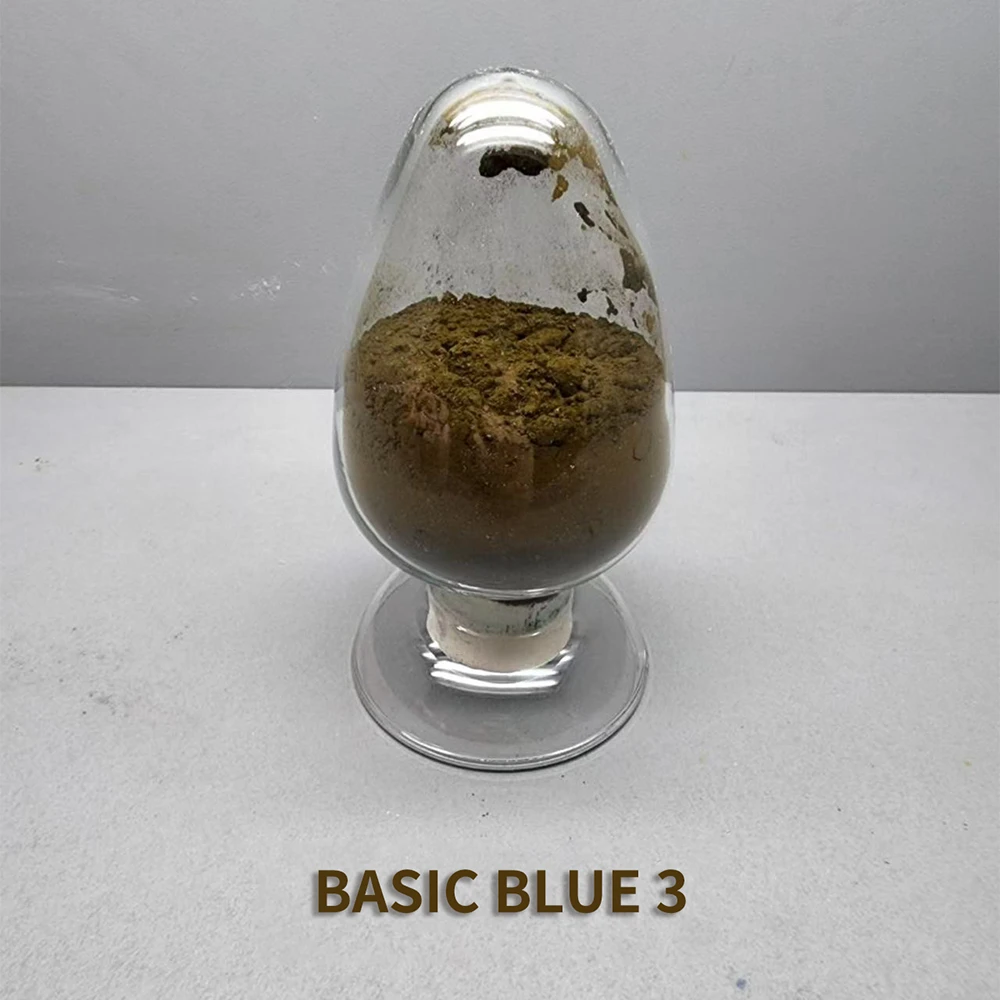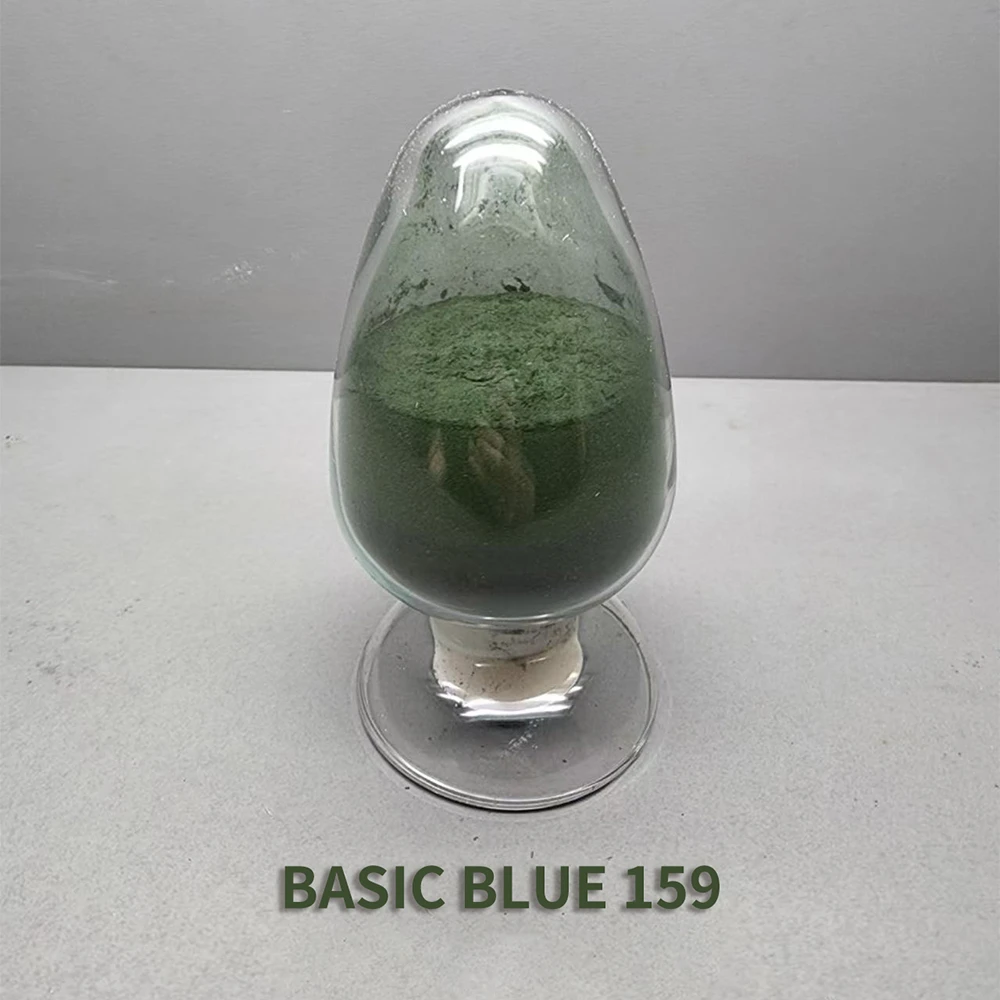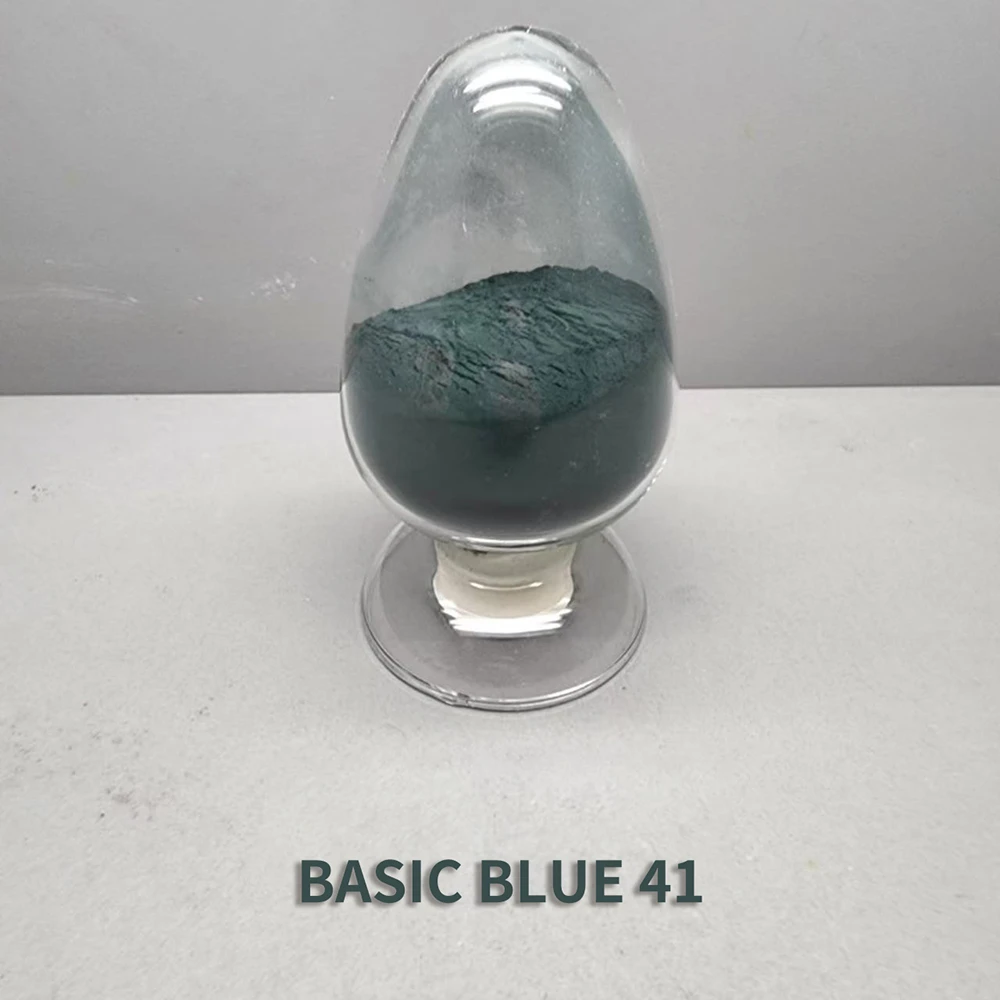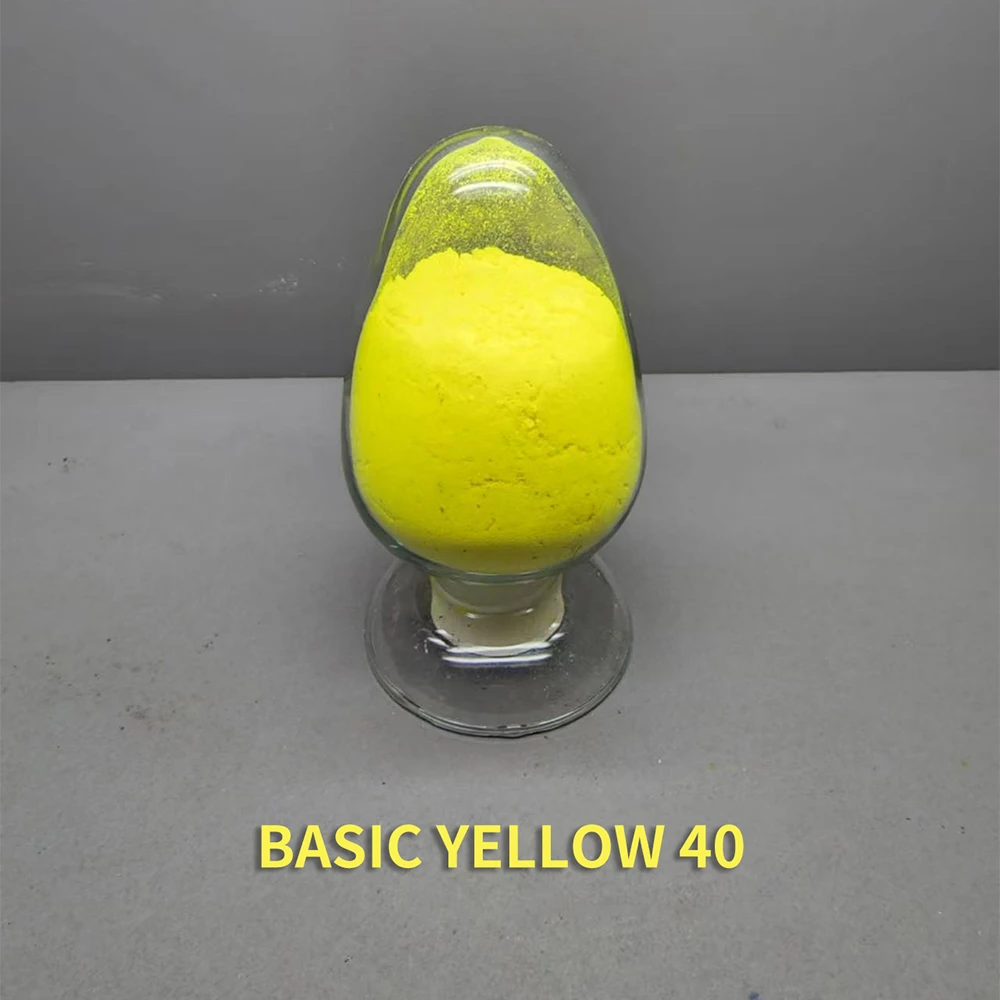
Durable Denim Blue Fabric Dye: Sustainable Solutions for Global Textile Industry
Why Denim Blue Fabric Dye Still Matters Globally
Denim blue fabric dye might sound niche, yet it holds a surprisingly pivotal place in the global textile industry—and beyond. This deep indigo essence that defines denim jeans doesn’t just bring style; it affects economies, sustainability, and even humanitarian aid. Understanding denim blue fabric dye opens the door to appreciating how an old craft blends with modern needs, especially when the world demands eco-friendly, resilient solutions for fabrics.
In fact, denim production alone accounts for nearly 5 billion meters of fabric annually worldwide — yes, that’s billion with a “b.” This scale points to why every nuance of denim dye chemistry is under pressure to evolve.
Mini Takeaway: Denim blue fabric dye is not just about fashion – it symbolizes an intersection of culture, commerce, and sustainability worldwide.
The Global Importance of Denim Blue Fabric Dye
According to data from the UN’s Industrial Development Organization and textile industry sources, denim manufacturing is a multi-billion-dollar industry employing tens of millions globally. Yet, amidst rising environmental concerns and shifting consumer tastes, the process of dyeing denim—traditionally water- and chemical-intensive—is under sharp scrutiny. For countries like Bangladesh, India, and China, where denim mills cluster, innovations in fabric dyeing promise economic resilience and regulatory compliance.
Interestingly, many brands now insist on denim blue fabric dye processes that reduce environmental footprint by up to 70%, aligning with ISO environmental standards. Still, challenges such as water pollution and energy consumption linger.
Mini Takeaway: The global relevance of denim blue fabric dye is intertwined with environmental responsibility and industrial growth pressures.
What Exactly is Denim Blue Fabric Dye?
Put simply, denim blue fabric dye is a specialized indigo-based coloring agent used primarily to tint cotton fabric, most famously in jeans. Unlike many dyes that penetrate fibers fully, the indigo dye sits largely on the surface, giving denim its signature fading and “wear” characteristics over time. This unique interaction creates that beloved worn-in look that millions crave.
Beyond aesthetics, this dye also connects deeply to the textile supply chain, influencing water usage, chemical discharge, and fabric durability. In humanitarian terms, sturdy indigo-dyed fabrics often find their way into rugged workwear, school uniforms, and even temporary shelters — places where reliability can literally mean safety.
Key Features That Define Denim Blue Fabric Dye
1. Durability
Indigo’s surface dyeing results in fabrics that age gracefully, resisting total color loss. This makes denim garments last longer in tough environments—a trait highly valued by industrial workers and fashion enthusiasts alike.
2. Scalability of Production
The dyeing process is straightforward enough for mass production but customizable for artisanal needs. Factories from Pakistan to Portugal employ scalable systems that produce millions of yards of dyed denim per month.
3. Environmental Impact
Recently, there's been a massive push towards eco-friendly versions of denim blue dyes that use less water and fewer synthetic chemicals, paying homage to sustainability while preserving color quality.
4. Cost Efficiency
Indigo dyes are affordable raw materials, but their processing costs vary depending on the technology used. Finding that sweet spot between cost and environmental care is an ongoing balancing act for manufacturers.
5. Cultural Significance
Denim blue is more than color; it's a cultural icon. The dye embodies freedom, rebellion, and classic style, influencing global markets ranging from haute couture to workwear.
Mini Takeaway: These core factors make denim blue fabric dye an enduring material cornerstone, balancing practicality with cultural and ecological considerations.
How Denim Blue Fabric Dye Is Used Around the World
From sprawling urban mills in Asia to boutique dye houses in Europe and the Americas, denim blue fabric dye finds diverse applications:
- Fashion Industry: Mass-produced jeans, jackets, and accessories dominate global apparel markets.
- Industrial Workwear: Durable, faded denim is standard for laborers in mining, construction, and agriculture.
- Humanitarian Relief: Durable denim fabric, protected with denim blue fabric dye, surfaces in emergency clothing donations and temporary shelters, especially where ruggedness counts.
- Arts & Crafts & DIY: Growing demand for sustainably dyed indigo for makers and small-scale producers.
Oddly enough, countries like Japan have pioneered chemical-free indigo dyeing methods celebrated globally for their beauty and environmental mindfulness.
Advantages and Long-Term Value of Denim Blue Fabric Dye
Denim blue fabric dye delivers clear value:
- Cost Savings: Durable color retention extends product life, reducing frequent replacements.
- Sustainability: New dyeing methods drastically lower water use and eco-pollution.
- Social Impact: Quality denim products support economies and offer dignified clothing options worldwide.
- Reliability: Proven and trusted for decades, it maintains a consistent standard.
- Emotional Resonance: People connect with denim for its raw, lived-in personality — a story told in fading blue.
Mini Takeaway: Investing in advanced denim blue fabric dye processes is both economically sensible and environmentally responsible — a rare win-win.
Future Trends and Innovations in Denim Blue Fabric Dye
Here’s where it gets fascinating. With growing attention on sustainability, the future of denim blue fabric dye is bright—despite seeming like an industry steeped in tradition. Digital dyeing technologies use lasers and robotics to pattern fabrics precisely, cutting down water and chemical waste dramatically.
On the materials side, bio-indigo — a synthetic dye derived from plant-based sources — is gaining momentum, offering the same rich hues without harsh chemicals. Meanwhile, automation and AI control systems enable factories to optimize dye baths for less overspill and waste.
Policy aside, these technical advances may soon combine to reshape how denim blue fabric dye products are created and perceived worldwide.
Common Challenges and How They Are Addressed
Despite these leaps, challenges remain:
- Water Pollution: Denim dye effluents have historically been harmful. Advanced filtration systems and closed-loop water recycling are increasingly standard.
- Cost vs. Sustainability: Eco-friendly dyes often cost more upfront. Many businesses are balancing short-term costs with long-term brand value.
- Color Consistency: Indigo’s unique fiber interaction sometimes leads to uneven dyeing - but new digital precision techniques minimize these issues.
Many engineers I spoke to stress that hybrid approaches combining old wisdom with tech innovation create optimal outcomes. It’s not one or the other.
FAQ: Frequently Asked Questions About Denim Blue Fabric Dye
- What makes denim blue fabric dye different from other dyes?
- Indigo dye, used for denim, mainly colors fabric surface rather than penetrating deeply, allowing characteristic fading and a worn look over time.
- Is denim blue fabric dye environmentally friendly?
- Traditional processes were water- and chemical-intensive, but modern eco-friendly dyes and closed-loop systems are reducing environmental impacts significantly.
- Can denim blue fabric dye be custom-colored?
- While indigo’s signature blue is iconic, blends with other dyes or digital printing techniques allow a range of shades to be produced from the base blue.
- How long does denim blue fabric dye typically last?
- Due to its surface dyeing nature, denim gradually fades but remains on fabric for years, often part of denim’s charm and story.
Product Specification Table for Denim Blue Fabric Dye
| Specification | Detail |
|---|---|
| Type | Indigo-based Vat Dye |
| Color Range | Various indigo shades, from deep navy to light blue |
| Fastness (Wash & Light) | High, improves with pigment enhancement options |
| Eco Certifications | OEKO-TEX, GOTS-compliant, ISO 14001 possible |
| Applications | Denim apparel, workwear, upholstery, artisan textiles |
| Typical Batch Size | From 50 kg (artisan) up to 10+ tons (industrial plants) |
Vendor Comparison Table: Leading Denim Blue Fabric Dye Suppliers
| Supplier | Eco-Friendly Options | Price Range (per kg) | Global Reach | Customization Service |
|---|---|---|---|---|
| Yanhong Chemical | Yes (Bio-indigo & low-water tech) | $8 – $14 | Asia, Europe, Americas | Full bespoke formulations |
| IndigoWorks Ltd. | Moderate (Water saving processes) | $6 – $12 | Europe, North America | Limited customization |
| BlueTone Chemicals | Yes (Bio-indigo pilot projects) | $10 – $16 | Asia, South America | Moderate flexibility |
Conclusion: The Everlasting Hue of Denim Blue Fabric Dye
In wrapping this up, it feels like denim blue fabric dye encapsulates much more than just style. It’s a durable, economical, and culturally significant cornerstone of the global textile industry, driving jobs and innovation while meeting pressing environmental challenges. The exciting strides in eco-conscious dyeing techniques and automation hint at a future where sustainability and heritage coexist harmoniously.
If you want to explore cutting-edge denim blue fabric dye technologies or source products tailored to your needs, visit https://www.yanhongchem.com for more insights and specialist support.
References
- United Nations Industrial Development Organization (UNIDO) – Textile Industry Reports
- International Organization for Standardization (ISO) – Environmental management standards
- Wikipedia – Indigo (dye)
-
China Basic Dye Factory: High-Purity, Fast Delivery, GreenNewsDec. 13, 2025
-
China Basic Dye Manufacturer | High Purity & Eco OptionsNewsDec. 13, 2025
-
Durable Dark Teal Fabric Dye for Industrial Textile Applications - YanhongchemNewsJan. 04, 2026
-
High-Performance Lilac Fabric Dye for Industrial Textile Applications | Yanhong ChemicalNewsDec. 13, 2025
-
Fabric Dye Solutions for B2B Textile Industry | YanhongChemNewsDec. 03, 2025
-
Red Fabric Dye for Industry – Durable High-Performance Dye Solutions by YanhongchemNewsDec. 04, 2025