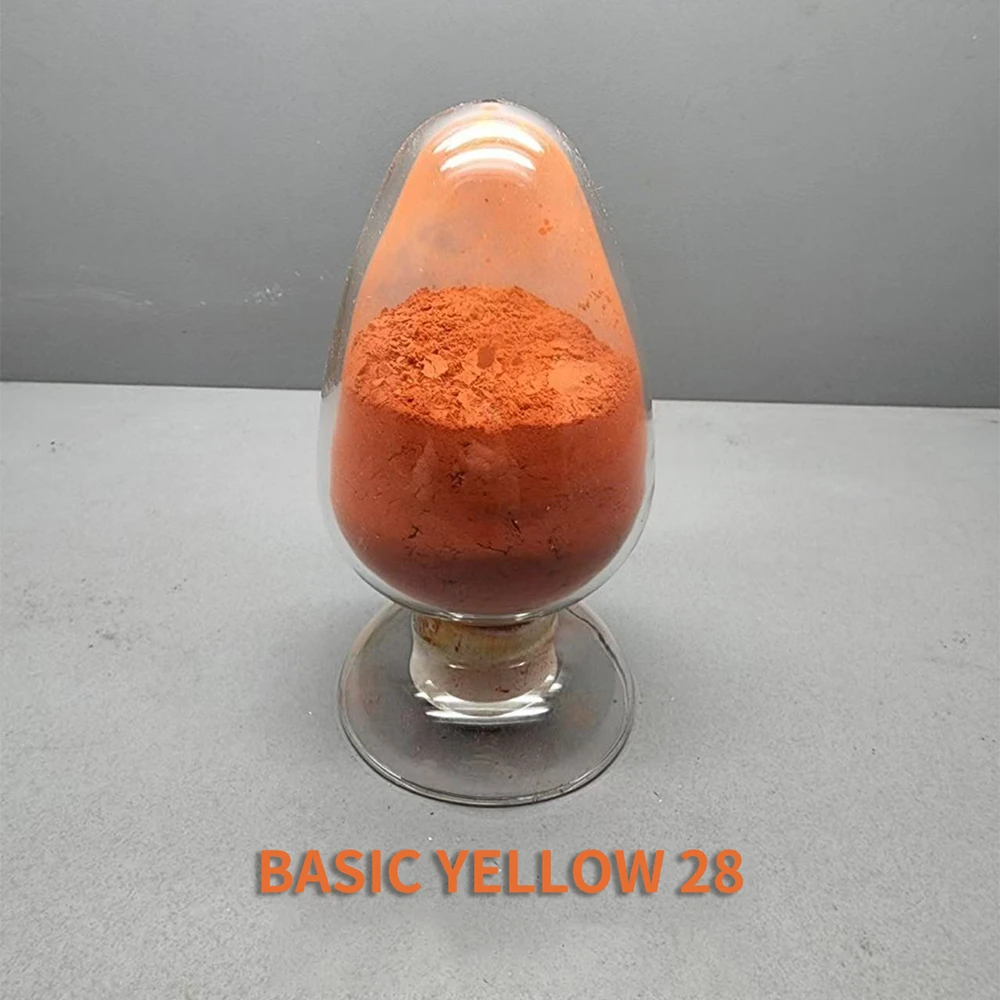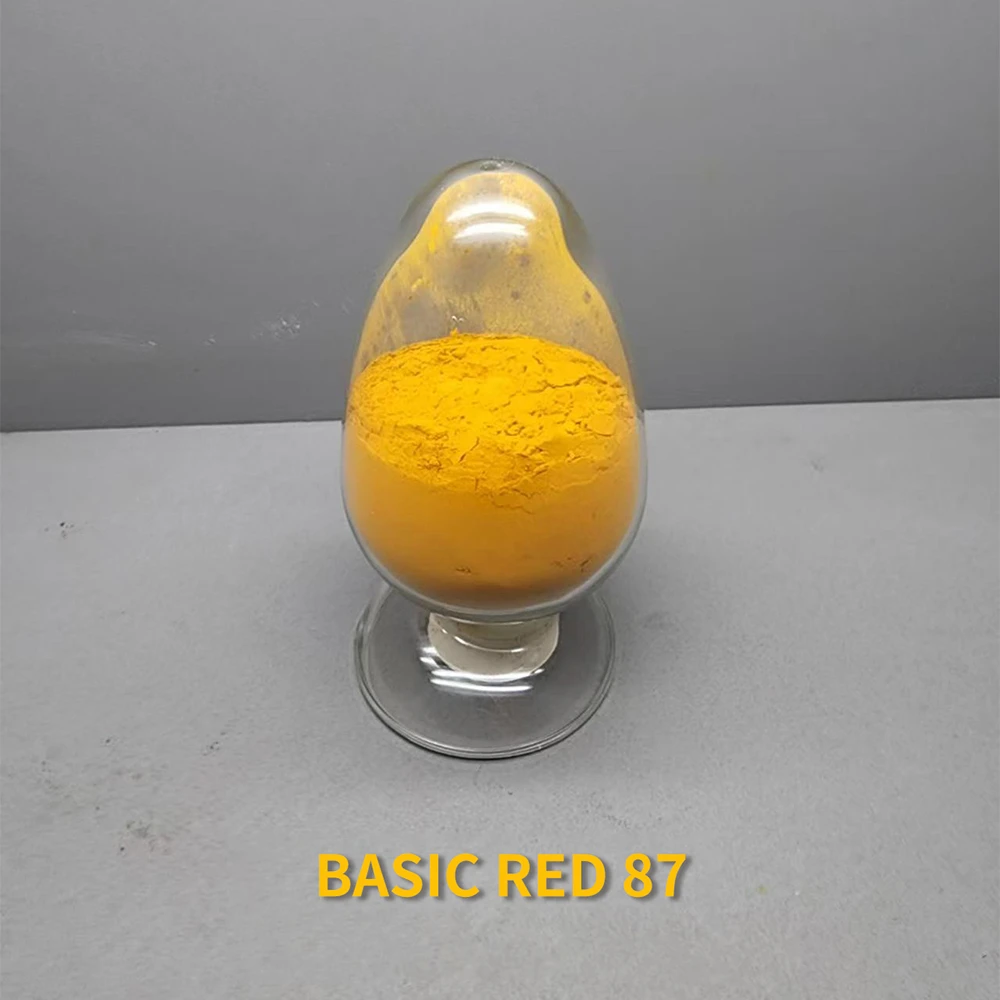
Basic Yellow 11 – Industrial Textile Dye with Sustainable Applications
Basic Yellow 11: A Vibrant Tool Shaping Industry and Innovation Worldwide
At first glance, basic yellow 11 might just sound like a color code or a chemical name from a textbook. But in the industrial and manufacturing world, this dye has carved its niche as a dynamic solution with rich implications — from textile industries to eco-conscious product design. Why the buzz? Because understanding basic yellow 11 is not just about pigments but about sustainability, durability, and cost-efficiency that shape global supply chains and even humanitarian efforts.
The Global Footprint of Basic Yellow 11
Basic yellow 11 is more than a shade on a color wheel — it’s an industrial staple. The global textile industry alone consumes millions of tons of dyes annually, and mid-spectrum yellows like basic yellow 11 play a huge role, particularly in Asia, Europe, and the Americas. According to data from the UNCTAD, the global dye and pigment market is expected to reach staggering values by the mid-2020s, fueled by increasing demand for fast fashion and durable household goods.
But there’s a challenge lingering beneath this demand: environmental impact. Traditional dye use has come under scrutiny for water pollution, human health risks, and waste. Basic yellow 11, with advances in synthesis and application, offers promising paths to less toxic, more stable colorants — which is why industries actively invest in research and adoption of such dyes. It’s a small but crucial piece in a vastly complex sustainability puzzle.
Defining Basic Yellow 11
So, what exactly is basic yellow 11? Simply put, it is a synthetic cationic dye belonging to the basic dye subgroup, famed for its brilliant yellow hue and affinity for a range of substrates. Unlike acid or direct dyes, basic yellow 11 binds strongly with acrylic fibers and sometimes blends well with cotton when mordants are used.
Its significance spills beyond simple aesthetics. In industrial terms, it’s prized for brightness, colorfastness, and ease of application in textile manufacturing, paper printing, and even microbiological staining. That last one feels quite out of sequence for a dye we mainly associate with textiles, but it’s true — microbiologists use it for differential staining techniques, which proves its multi-disciplinary importance.
Core Attributes of Basic Yellow 11 That Matter
Colorfastness and Durability
One of basic yellow 11’s brightest selling points is its colorfastness. In real terms, that means clothing or materials dyed with it maintain vibrancy through washing, sunlight, and wear. This durability reduces the need for frequent re-dyeing or replacement—good for consumers and supply chains.
Cost Efficiency and Accessibility
Basic yellow 11 is considered cost-effective by many textile processors. It’s relatively easy to synthesize at scale, and its dyeing process requires moderate temperatures, which saves energy. This affordability opens doors for manufacturers in developing regions where cost concerns are paramount.
Environmental Impact and Sustainability
Here’s where things get a bit tricky. Older generation cationic dyes sometimes feature toxic components, but newer variants of basic yellow 11 are developed with lower toxicity levels and better biodegradability. When coupled with wastewater treatment innovations, this dye helps industries inch closer to greener practices.
Versatility in Application
From acrylic fabrics and leather to paper arts and even biological labs, basic yellow 11’s adaptability is impressive. Such versatility keeps it relevant despite ever-shifting market demands and rising environmental standards.
Compatibility With Modern Fabrics
It works well with synthetic fibers like acrylic and some modified cotton blends, reflecting modern textile innovation trends. As fashion moves toward blends for durability and comfort, basic yellow 11’s dye chemistry remains relevant.
Real-World Applications Lighting Up the Globe
It’s not just textile factories in China or India spinning basic yellow 11 that give this dye its legs. Humanitarian organizations sometimes deploy fabrics dyed with it in relief tents or medical garments—thanks to its quick color retention and relative resistance to microbial activity.
In industrial zones prone to harsh weather, workers’ uniforms made with basic yellow 11 retain color and integrity for months, reducing the need for frequent replacements. Plus, designers experimenting with sustainable packaging use it as an eco-friendly pigment alternative reflecting natural aesthetics.
Mini takeaway:
Basic yellow 11 isn’t just about making things look good; it helps ensure products are durable, cost-viable, and less harmful to the environment.
What Are the Advantages and Long-Term Value?
- Economic Savings: No need to replace fabrics often due to fading.
- Sustainability Boost: Emerging formulations reduce chemical waste.
- Social Impact: Supports industries in regions where resource reuse is critical.
- Innovation Driver: Allows product designers to blend function with vivid aesthetics.
- Trust and Reliability: End-users can rely on product quality and look.
Specifications at a Glance
| Property | Basic Yellow 11 |
|---|---|
| CAS Number | 82-90-4 |
| Chemical Formula | C17H23N4 |
| Color Index (CI) Number | 11040 |
| Solubility | Water soluble |
| Main Applications | Textile dyeing, microbiology, leather |
| Lightfastness | Moderate to high |
| Toxicity Level | Improved low toxicity in recent batches |
Quick Vendor Comparison
| Vendor | Purity (%) | Price (per kg) | Sustainability Grade | Shipping Regions |
|---|---|---|---|---|
| Yanhong Chemicals | ≥ 98% | $28 | High (GMP-certified) | Global |
| DyeCo Europe | 95% | $33 | Medium | Europe, Asia |
| Global Dyes & Co. | 90% | $26 | Low | Americas |
Looking Ahead: Trends and Innovations in Basic Yellow 11
Industry insiders are buzzing about improvements in nanoscale dye particles and bio-derived dyes that mimic traditional compounds like basic yellow 11 with reduced environmental impact. Digital printing is becoming more common too — requiring dyes with specific viscosity and bonding traits where basic yellow 11’s chemistry offers a solid starting point.
Automation in production means batch consistency and ultra-fine quality control, allowing manufacturers to tailor the dye exactly for target fabrics or products, cutting waste dramatically. Plus, the knotty problem of water pollution from dye houses is being tackled with membrane filtration and enzymatic degradation methods — factors pushing the industry in greener directions.
Challenges and How Industry Leaders Are Overcoming Them
No product is perfect, and basic yellow 11 is no exception. Limitations include residual toxicity from earlier syntheses, slight fading under extreme UV exposure, and varying color binding on different fibers. Yet, research labs and producers continuously refine manufacturing processes to tackle these hurdles.
For instance, incorporating chelating agents during dyeing can improve fixation on cotton blends. Plus, reengineering the dye to remove heavy metal catalysts in production reduces toxicity. Frankly, it’s this kind of innovation that turns the tide from old-school polluting processes to sustainable solutions.
FAQ: Your Basic Yellow 11 Questions Answered
Q1: What industries benefit most from basic yellow 11?
A1: Primarily textiles (especially synthetic fibers like acrylic), leather dyeing, and microbiology labs utilize basic yellow 11. Its strong color retention and ease of application make it a favorite in these sectors.
Q2: Is basic yellow 11 environmentally safe?
A2: While earlier formulations raised some concerns, newer versions of basic yellow 11 emphasize low toxicity and biodegradability. Proper wastewater treatment is still essential to minimize environmental impact.
Q3: Can basic yellow 11 be used for natural fibers like cotton?
A3: Yes, but usually with mordants or binders as cationic dyes have weaker affinity for natural fibers alone. Modified cotton blends react better to basic yellow 11 than pure cotton.
Q4: How long does color retention last on textiles?
A4: Under normal use, colors dyed with basic yellow 11 maintain vibrancy for years, especially on acrylic fabrics. Exposure to harsh sunlight may reduce longevity somewhat.
Q5: Where can I source high-quality basic yellow 11?
A5: Reliable suppliers include Yanhong Chemicals, among others. Look for products with ≥98% purity and GMP certification for best results.
Final Thoughts: Why Basic Yellow 11 Still Matters
Even in a time of fast-changing materials and eco-innovation, basic yellow 11 holds its ground as a practical, versatile dye with a rewarding mix of cost efficiency and sustainability promise. As fabrics and industries evolve, so too does the chemistry behind this vibrant yellow—a reminder that the seemingly simple elements sometimes unlock the biggest possibilities.
If you’re curious to explore the latest on basic yellow 11 and related innovations, take a look at our recommended supplier’s site — full of technical data, certifications, and expert support for your next project.
Mini takeaway:
Basic yellow 11 isn’t just a color: it’s a cornerstone in sustainable textile and industrial dyeing with a future as bright as its hue.
References
-
Top Insights on Cotton Fabric Dye for Industrial Use | Yanhong ChemNewsDec. 12, 2025
-
Reliable China Fabric Dye Manufacturers - Quality & Custom SolutionsNewsDec. 03, 2025
-
Gray Fabric Dye Solutions | Durable & Sustainable Textiles by YanhongChemNewsDec. 10, 2025
-
Basic Red 46 Dye - High-Purity, Bright Shade, Fast DeliveryNewsNov. 13, 2025
-
Green Fabric Dye: Industrial Insights & Eco-Friendly SolutionsNewsDec. 03, 2025
-
Fabric Dye Company: Durable, Sustainable Solutions for B2B Textile NeedsNewsDec. 03, 2025