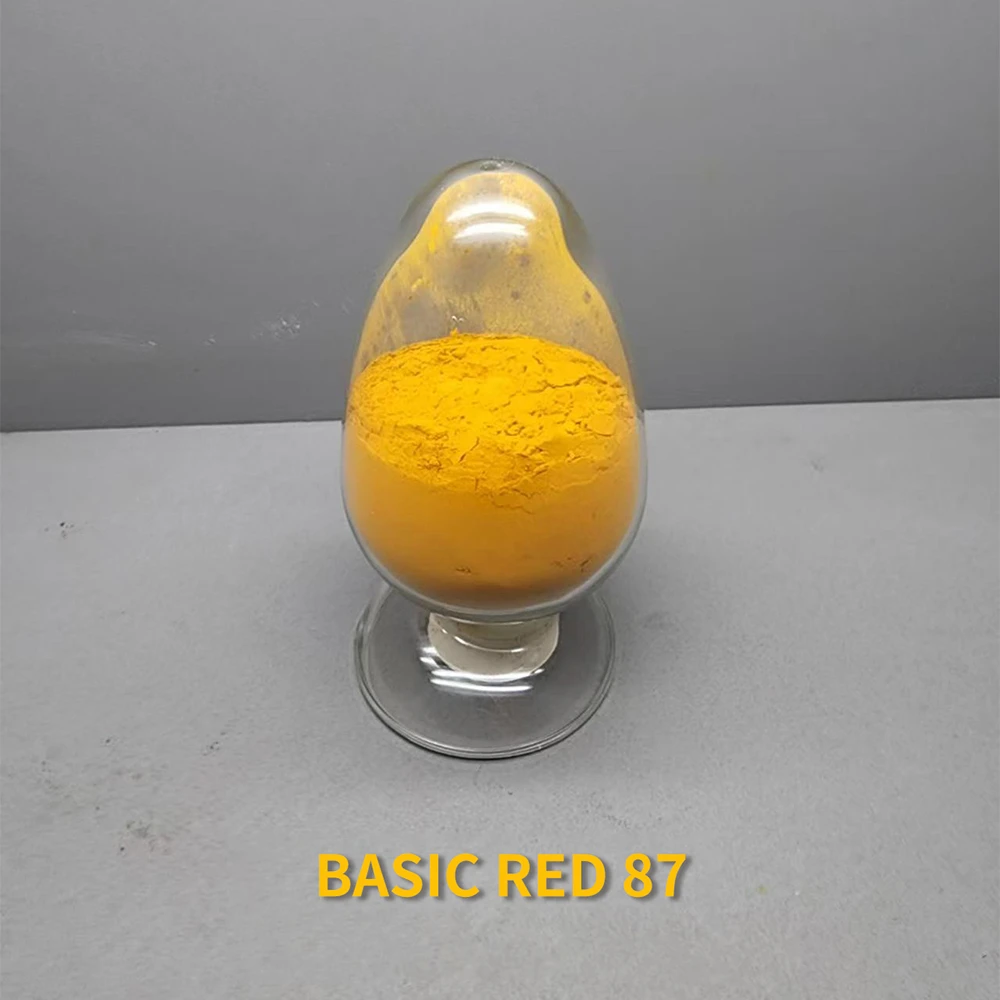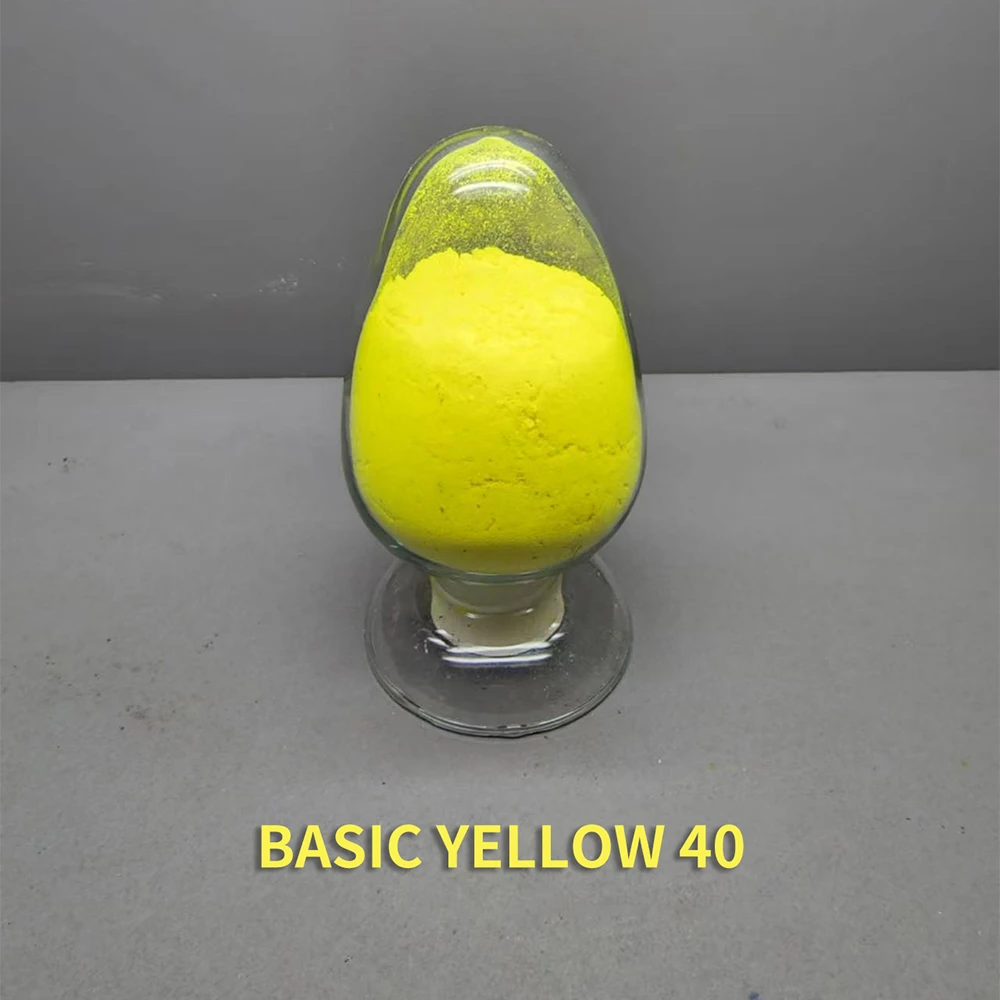
Basic Red 18 Dye – Vibrant, Durable, and Sustainable Textile Solutions
Understanding Basic Red 18: A Dye with Worldwide Significance
Basic Red 18 might not be a household name, but it's one of those unsung heroes of the chemical and textile industries. It’s a synthetic dye used widely across sectors, and its impact spans from fashion to industrial applications. Globally, the demand for vibrant, reliable dyes like Basic Red 18 is growing—thanks to the sprawling textile markets in Asia, increasingly eco-conscious consumers in Europe, and manufacturing hubs worldwide.
Why does it matter? Well, dyes like Basic Red 18 help industries achieve consistent quality, reduce waste, and adapt to new sustainability standards. Understanding this dye’s chemistry, uses, and benefits offers insights not only for manufacturers but also for anyone curious about the intricate supply chains behind our colorful world.
The Global Context for Basic Red 18: Textile Industry and Beyond
At a glance, the textile sector is a colossal global player. According to the United Nations Industrial Development Organization (UNIDO), the global textile market was worth over 1.2 trillion USD by 2022 and is expected to keep expanding, driven mostly by developing economies. Within this massive machinery, synthetic dyes, including Basic Red 18, are essential for coloring everything from cotton shirts to specialized industrial fabrics.
But it isn’t just about looks. The challenge lies in how to deliver vibrant colors without excessive environmental damage or high costs. The ISO has pushed for sustainable azo dye production standards (Basic Red 18 belongs to this group) — a pressing need since textile wastewater pollution remains a global concern.
So, while Basic Red 18 is a small piece of the puzzle, it helps address complex challenges like efficient colorfastness, ease of application, and environmental compliance.
Mini Takeaway:
- Basic Red 18 plays a vital role in an expanding, global textile industry.
- It helps meet demands for sustainability and cost-effective coloring.
What Exactly Is Basic Red 18?
In simple terms, Basic Red 18 is a synthetic organic dye from the “basic dye” category, meaning it carries a positive charge that helps it bind well to certain fibers, especially acrylics. Its bright red hue is prized for lively color applications. Chemically, it's part of the azo dye family, containing nitrogen-nitrogen double bonds responsible for its vivid color.
This dye is not just a cosmetic touch; it’s an important tool in manufacturing processes where vibrant, durable reds are needed. From fashion garments to warning signal fabrics and even certain inks, Basic Red 18’s quick uptake and strong adherence make it an industry favorite.
Mini Takeaway:
- Basic Red 18 is a positively charged azo dye, mostly used on acrylic fibers.
- Its chemical structure gives it bright red hues and excellent binding properties.
Core Components and Key Aspects of Basic Red 18
1. Color Fastness
Color fastness is the dye’s ability to resist washing, rubbing, and light exposure without fading. Basic Red 18 scores well here, which is crucial — imagine your vivid red jacket turning pink after one wash. The structure offers good resistance to common textile stresses.
2. Solubility and Ease of Use
This dye dissolves easily in water, making application simpler and more cost-efficient during manufacturing. Its homogenous dispersion helps avoid patchiness, a bane for dyers.
3. Environmental Profile
Azo dyes chart a complicated environmental legacy. Thankfully, regulations and innovations have pushed manufacturers to produce Basic Red 18 with reduced hazardous byproducts. Modern synthesis methods cut down on toxic intermediates and wastewater pollutants.
4. Versatility and Compatibility
Basic Red 18’s molecular design lets it work across several textile materials—primarily synthetic fibers like acrylic but also blends. This versatility extends its use beyond fashion into technical textiles and industrial fabrics.
5. Cost Efficiency
If you’ve ever worked in fabric production, you know every cent counts. Basic Red 18 strikes a balance between cost and quality, offering reliable shades without the premium prices associated with some natural or specialty dyes.
Mini Takeaway:
- Basic Red 18 offers strong color fastness, water solubility, and cost efficiency.
- It balances environmental concerns with versatile application potential.
Global Applications and Real-World Use Cases
Basic Red 18 finds a broad swath of uses worldwide. In Asia, where acrylic knitwear is massive, it’s a staple for designers and manufacturers aiming at global export markets. Europe’s technical textile companies rely on this dye in products like safety gear—vests, traffic cones, and warning flags—where bright color visibility can literally save lives.
Oddly enough, this dye has even found its way into art supplies and printing inks, favored for its vibrant tone and consistency. Not to forget, in emerging markets, where low-cost, durable clothing production dominates, Basic Red 18 offers affordable color durability.
For example, after a major flood in Southeast Asia in 2021, many NGOs procured fabric items dyed with Basic Red 18 to ensure visibility and durability under tough conditions.
Mini Takeaway:
- Used in fashion, safety textiles, inks, and aid supplies worldwide.
- Important in markets demanding affordable, bright, and lasting red colors.
Advantages and Long-Term Value
Cost-wise, manufacturers appreciate how Basic Red 18 keeps production scalable without sacrificing hue intensity. Environmentally, advances have lowered its manufacturing footprint—leading to less waste in dye houses. Socially, brightly colored safety apparel colored with Basic Red 18 offers greater visibility and therefore more protection on roads and worksites.
On an emotional level, red fabrics dyed with Basic Red 18 often symbolize urgency, warmth, and vitality, attributes leveraged by designers and safety experts alike.
Mini Takeaway:
- Offers a blend of affordability, sustainability, and safety benefits.
- Provides emotional resonance through bold, lasting colors.
Future Trends & Innovations in Basic Red 18 Usage
The textile industry increasingly pushes for greener chemistry. New research is evaluating bio-based additives and enzymatic dyeing processes compatible with dyes like Basic Red 18. Digital textile printing is another frontier—exact pigment control could reduce usage and waste.
Automation in dye houses means precise dosing and recycling of dye baths, making Basic Red 18 applications more environmentally friendly and economically efficient. Plus, emerging policies, like stricter ISO environmental standards, will keep pushing improvements on azo dyes.
Mini Takeaway:
- Bio-based processing, digital printing, and automation are shaping Basic Red 18’s future.
- Regulations will continue driving greener and more efficient dye use.
Challenges & Solutions
Despite its assets, Basic Red 18 has some hurdles. Wastewater treatment remains tricky if not managed well—due to azo compounds’ persistence. Color fading can occur under UV extremes, which isn’t always ideal outdoors.
The industry tackles these through advanced filtration technologies, chemical recycling of dye baths, and combining Basic Red 18 with UV stabilizers or complementary dyes for extended durability. Many labs are also exploring nano-encapsulation to lock in color better.
Mini Takeaway:
- Proper wastewater treatment and UV durability are key challenges.
- Industry solutions include filtration, UV stabilizers, and encapsulation tech.
Frequently Asked Questions About Basic Red 18
- Q1: What makes Basic Red 18 preferable over natural dyes for industrial use?
- A: Basic Red 18 offers consistent color fastness, is easier to apply on synthetic fibers, and maintains affordability with large-scale production, unlike natural dyes that often vary in shade and durability.
- Q2: How safe is Basic Red 18 for consumers, especially in clothing?
- A: When produced under controlled standards, Basic Red 18 meets safety regulations with negligible toxicity. However, manufacturers must ensure no residual harmful by-products remain post-dyeing.
- Q3: Can Basic Red 18 be used in eco-friendly textile production?
- A: Yes, recent advances in synthesis and wastewater treatment have made it more compatible with sustainable practices, especially when combined with greener processing technologies.
- Q4: How does climate affect the color durability of Basic Red 18?
- A: Prolonged UV exposure in sunny climates can degrade the dye's vibrancy, but using UV stabilizers or protective coatings can mitigate this effect.
- Q5: Is sourcing Basic Red 18 internationally straightforward?
- A: Many suppliers globally stock Basic Red 18, but importers should verify compliance with local chemical safety laws and ensure proper documentation for transport.
Basic Red 18: Product Specifications
| Specification | Details |
|---|---|
| Chemical Formula | C20H21ClN4 |
| Molecular Weight | 352.86 g/mol |
| Appearance | Red Powder or Granules |
| Solubility | Water-soluble |
| Primary Fiber Affinity | Acrylic, sometimes Polyamide blends |
| Color Fastness (Washing) | 4-5 (ISO Scale) |
Comparing Leading Vendors of Basic Red 18
| Vendor | Country | Price Range (per kg) | Certifications | Lead Time |
|---|---|---|---|---|
| Yanhong Chemicals | China | $12 - $14 | ISO 9001, REACH | 2 Weeks |
| Dystar | Germany | $15 - $18 | OEKO-TEX, ISO 14001 | 3-4 Weeks |
| Archroma | Switzerland | $14 - $17 | GOTS, REACH | 2-3 Weeks |
Conclusion: Why Basic Red 18 Still Matters
Exploring Basic Red 18 reminds us that even the smallest chemical details ripple through global industries and lives: from your favorite red sweater to the safety gear on a busy highway. It balances cost, quality, and evolving sustainability requirements in a way few synthetic dyes do. If you want to know more—not just the technical specs but the story behind the color—visit Yanhong Chemicals for detailed info and global supply options.
Color is never just color—especially when it’s a trusty synthetic like Basic Red 18 standing the test of time and technology.
Final Takeaway:
Basic Red 18 bridges quality, affordability, and environmental progress in dyeing technology, reflecting a colorful future for textiles worldwide.
References
-
Cream Fabric Dye Solutions for Industrial Textile Applications | YanHong ChemNewsDec. 08, 2025
-
Reliable China Fabric Dye Manufacturers - Quality & Custom SolutionsNewsDec. 03, 2025
-
Exploring the Science and Versatility of Color Changing Fabric Dye TechnologyNewsJan. 27, 2026
-
Dark Blue Fabric Dye | Expert Guide & Vendor ComparisonNewsDec. 11, 2025
-
Durable Fabric Dye for Outdoor Cushions – UV & Water Resistant SolutionsNewsDec. 09, 2025
-
Peach Fabric Dye – Reliable Industrial Textile Color SolutionsNewsJan. 03, 2026