Advanced cationic dye Solutions for Peru's Textile Sector

Optimizing the brilliance and durability of acrylic and modified polyester fabrics across the Peruvian industrial landscape.

Advanced cationic dye Solutions for Peru's Textile Sector

Providing high-performance coloring agents specifically engineered for the unique demands of the Peruvian dyeing industry, ensuring superior fastness and vivid hues.

Current State of the Dyeing Sector in Peru

Analyzing the integration of specialized chemical agents in South American textile hubs.

Peru's textile landscape is characterized by a blend of traditional craftsmanship and modern industrialization. The local dyeing textile sector faces unique challenges due to the diverse climatic zones, from coastal humidity to Andean altitudes, which affect the curing and drying processes of dyed fabrics.

Currently, there is a significant shift toward the use of basic cationic dyes to meet the demand for high-visibility and neon colors in the fashion and technical textile markets of Lima and Arequipa. However, efficiency is often hampered by outdated machinery and inconsistent water quality.

The adoption of high-purity cationic dyestuff is becoming critical as Peruvian exporters strive to meet stringent EU and US environmental standards, necessitating a transition toward lower-impact chemical processes.
Evolution of Dyeing Technologies in Peru

From artisanal methods to precision chemical engineering.

Market Development History

In the late 20th century, the Peruvian market relied heavily on basic synthetic dyes with limited color consistency. The initial phase of the dyeing industry was focused on bulk production of cotton textiles using standard reactive dyes.

By the 2010s, the introduction of acrylic-modified polymers led to a surge in demand for specialized cationic dye products. This era marked the transition from manual batch dyeing to semi-automated systems, allowing for better control over dye exhaustion rates.

From 2020 onwards, the focus shifted toward "Precision Dyeing," where the chemical purity of basic cationic dyes became the primary driver for quality, reducing waste and improving the brightness of the final textile product.

Future Development Trends

Digital Color Matching

Integration of AI-driven spectrophotometry to reduce the trial-and-error phase in dyeing textile operations.

Water-Saving Auxiliary Agents

Developing synergistic agents that allow cationic dyes to penetrate fibers at lower temperatures, reducing energy consumption in Peruvian plants.

Bio-Compatible Fixatives

The trend toward biodegradable fixing agents to ensure that the effluent from cationic dyeing processes meets the strictest ecological laws of the Andes region.

Future Trends and Strategic Outlook

Mapping the trajectory of specialized chemical manufacturing for the next five years.

Eco-Friendly Synthesis
Transitioning toward solvent-free production of cationic dyestuff to reduce VOC emissions.
Smart Color Fixation
Implementation of nanostructures to enhance the bond between basic cationic dyes and synthetic fibers.
Low-Temp Dyeing
Reducing the energy threshold for acrylic dyeing in high-altitude Peruvian regions.
Circular Chemistry
Developing dye recovery systems to reclaim unused chemicals from the dyeing bath.

Industry Outlook

Based on Google search trend data, there is a rising interest in "sustainable dyeing" and "non-toxic colorants" within the Latin American market. We predict that the demand for high-affinity cationic agents will grow by 15% annually as Peru diversifies its textile exports.

The focus will shift from mere color intensity to "functional coloration," where the dyeing industry incorporates antimicrobial or UV-resistant properties into the dyeing process itself.

Localized Application Scenarios in Peru

Practical implementations of cationic chemistry across diverse Peruvian textile products.

01. High-Altitude Outdoor Apparel in Cusco

Applying high-fastness dyes to acrylic fibers for winter gear, ensuring colors remain vibrant despite intense UV exposure in the Andes.

02. Industrial Workwear for Mining Sectors

Using fluorescent basic cationic dyes for high-visibility safety vests used in Peru's extensive mining operations.

03. Luxury Alpaca-Acrylic Blends in Arequipa

Developing specialized dyeing protocols for mixed fibers where cationic dye provides the necessary contrast and saturation.

04. Sports Activewear in Lima's Urban Hubs

Optimizing the dyeing textile process for moisture-wicking polyester fabrics with cationic modifications for athletic gear.

05. Home Textiles and Upholstery for Hospitality

Implementing long-lasting, fade-resistant coloration for the hotel and tourism sector's interior fabrics across the coast.

Brand Story

Global Development History of Xingtai Yanhong Chemical Technology Co., Ltd.

Foundation and Focus

Established with a mission to solve the instability of color saturation in synthetic fibers through rigorous chemical R&D.

Technological Breakthrough

Developed a proprietary synthesis method for high-purity dyes that significantly reduced heavy metal residues.

Global Market Expansion

Extended our reach to South America, tailoring chemical formulas to meet the specific water and climate conditions of Peru.

Sustainability Certification

Achieved international eco-certifications, ensuring our products support the "Green Dyeing" movement globally.

Industry Leadership

Currently recognized as a leading provider of specialized chemical solutions for the global dyeing industry.

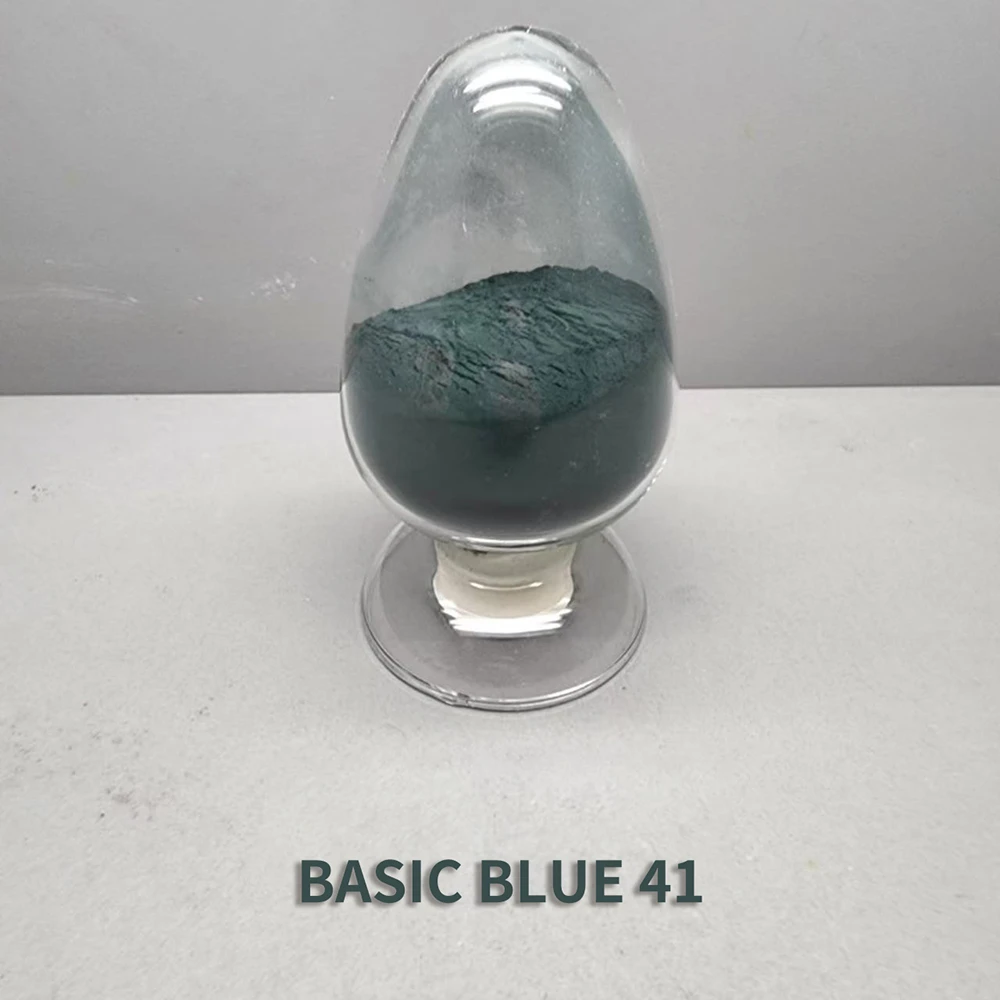
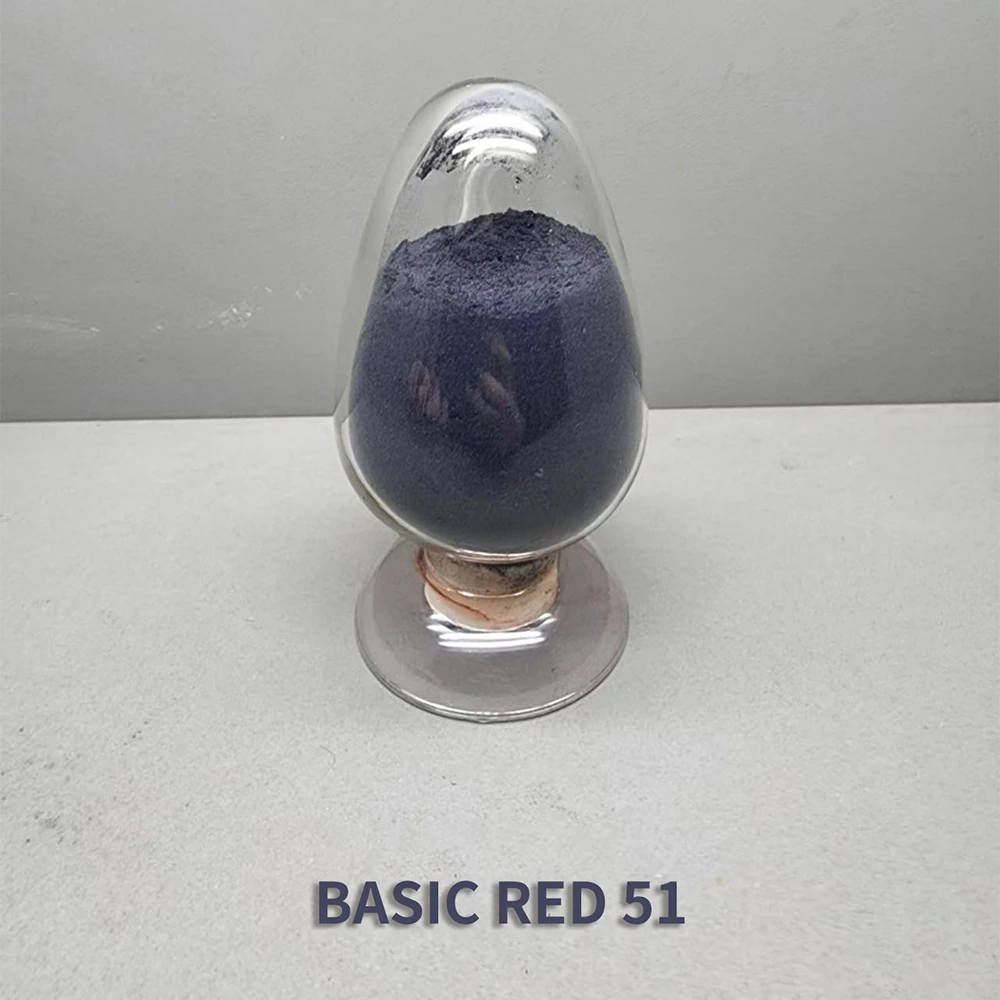
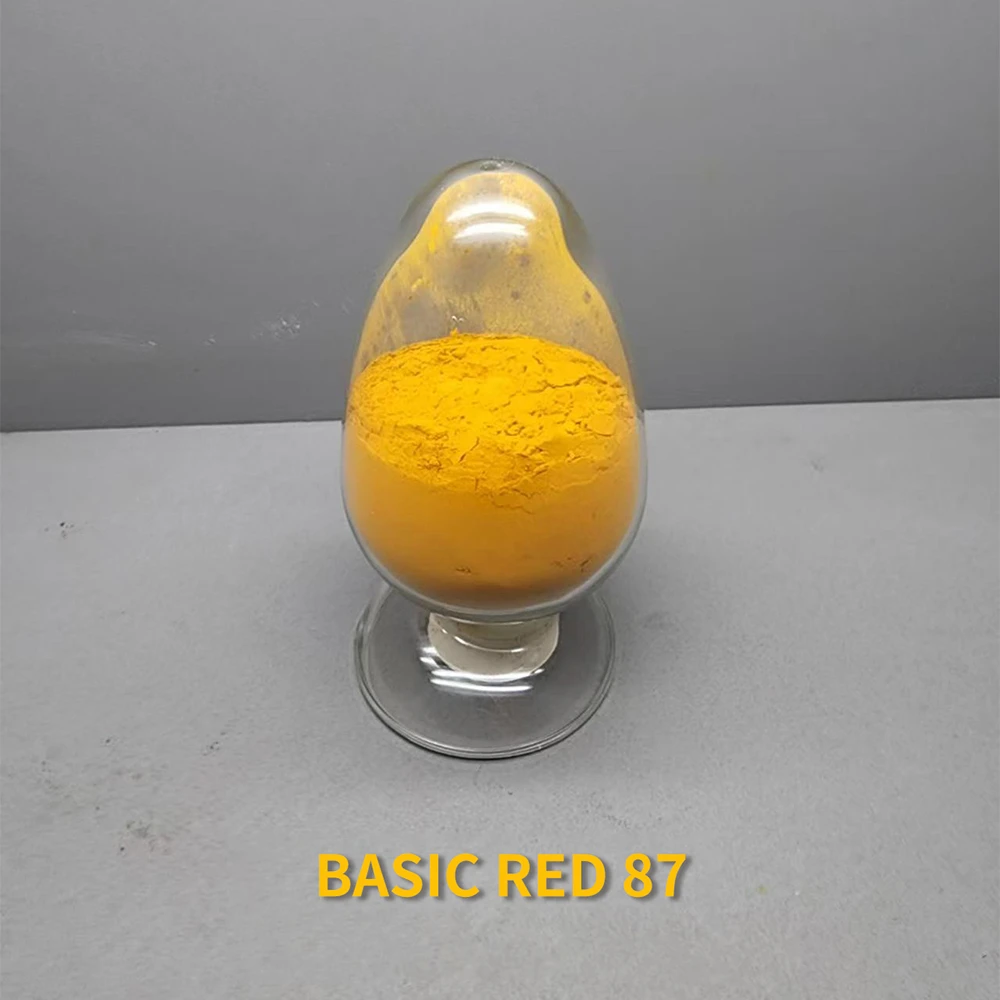
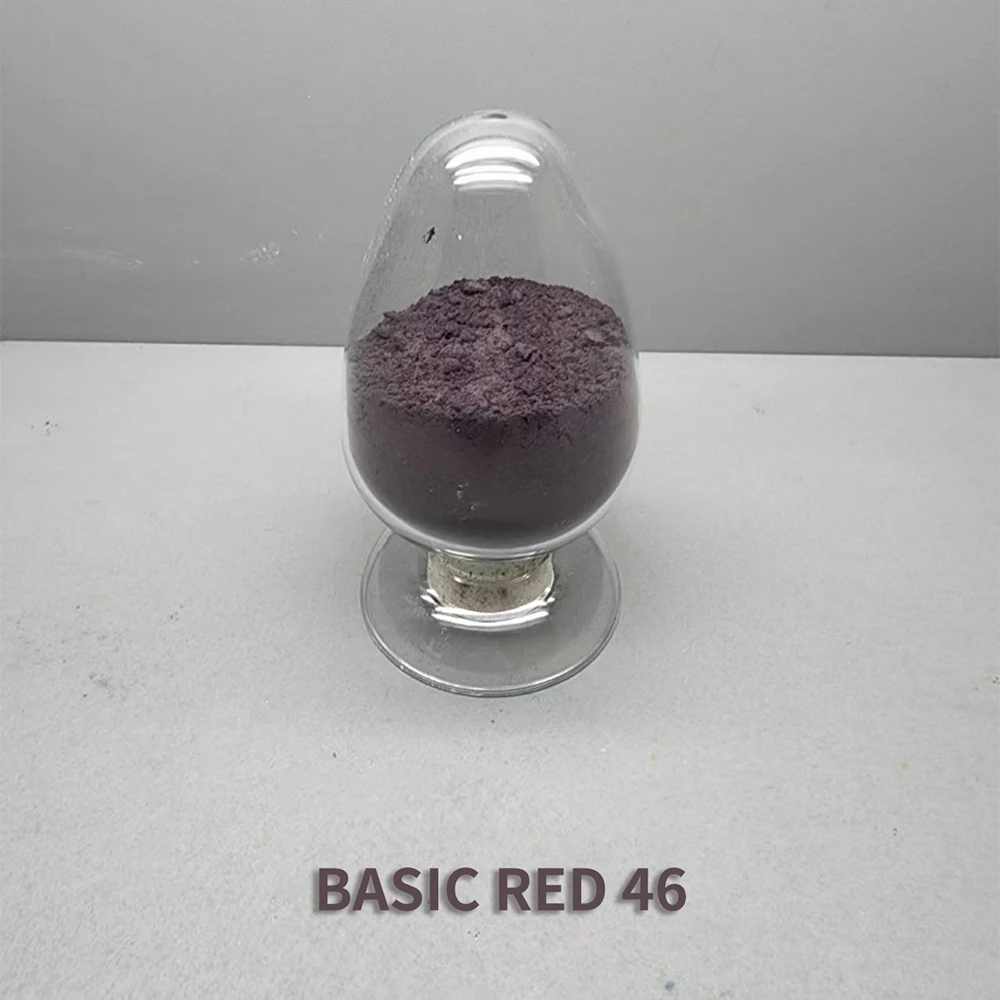
Comprehensive Product Portfolio for the Peru Market

A curated selection of dyes and auxiliaries designed for Peruvian textile excellence.

Frequently Asked Questions in Peru

Technical guidance for local textile manufacturers.

How to improve the leveling of basic cationic dyes in acrylic fibers?

Leveling can be improved by controlling the temperature rise rate and using specialized retarders that slow down the initial dye uptake, preventing blotchiness.

What is the best way to handle effluent from the dyeing textile process?

We recommend a combination of coagulation and advanced oxidation processes (AOP) to effectively remove cationic dye molecules from wastewater.

Can cationic dyestuff be used on natural wool blends in Peru?

Yes, but it requires careful pH adjustment and the use of specific auxiliaries to ensure the dye selectively bonds with the modified synthetic component.

How does altitude in the Andes affect the dyeing industry standards?

Lower atmospheric pressure can lower the boiling point of water, which may require adjusted heating cycles to ensure full dye penetration.

What is the difference between basic dyes and cationic dyes for synthetics?

While similar, modern cationic dyes are engineered with higher purity and specific molecular weights to enhance light fastness and wash resistance.

Which dyes provide the best neon colors for Peruvian fashion trends?

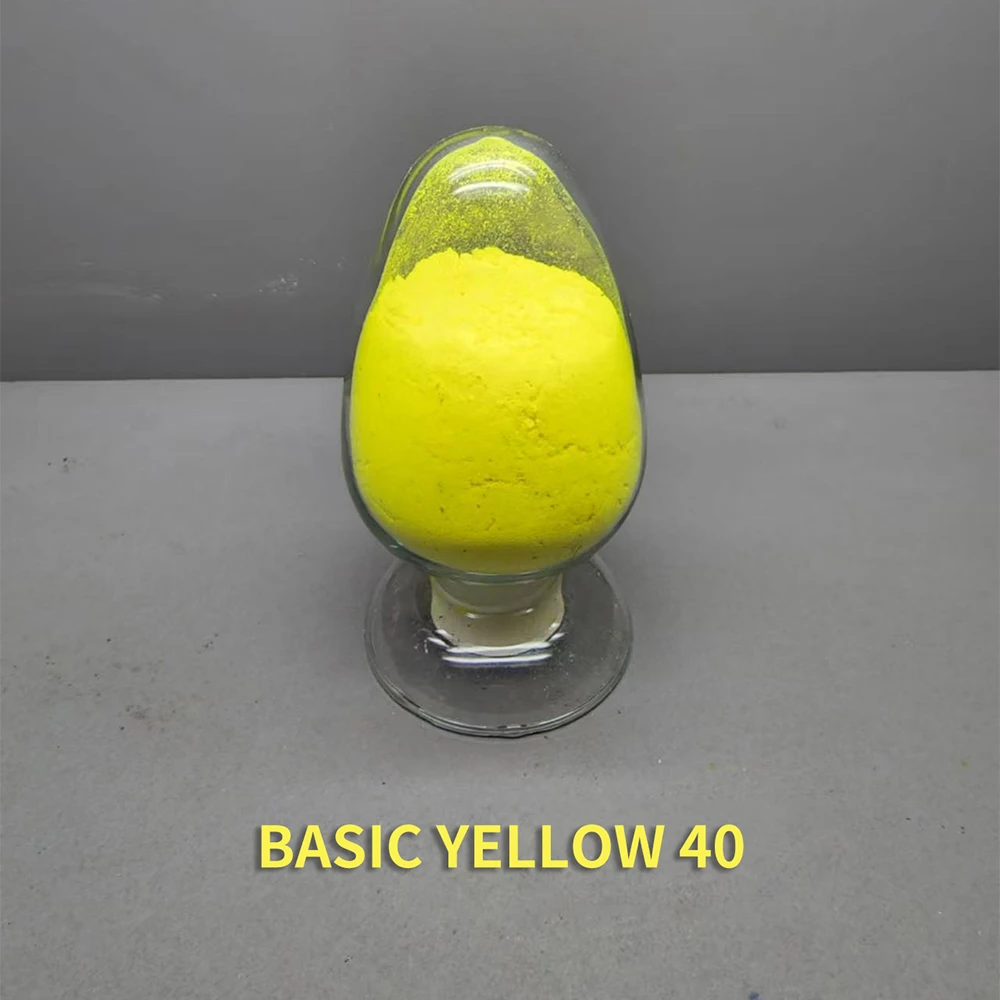
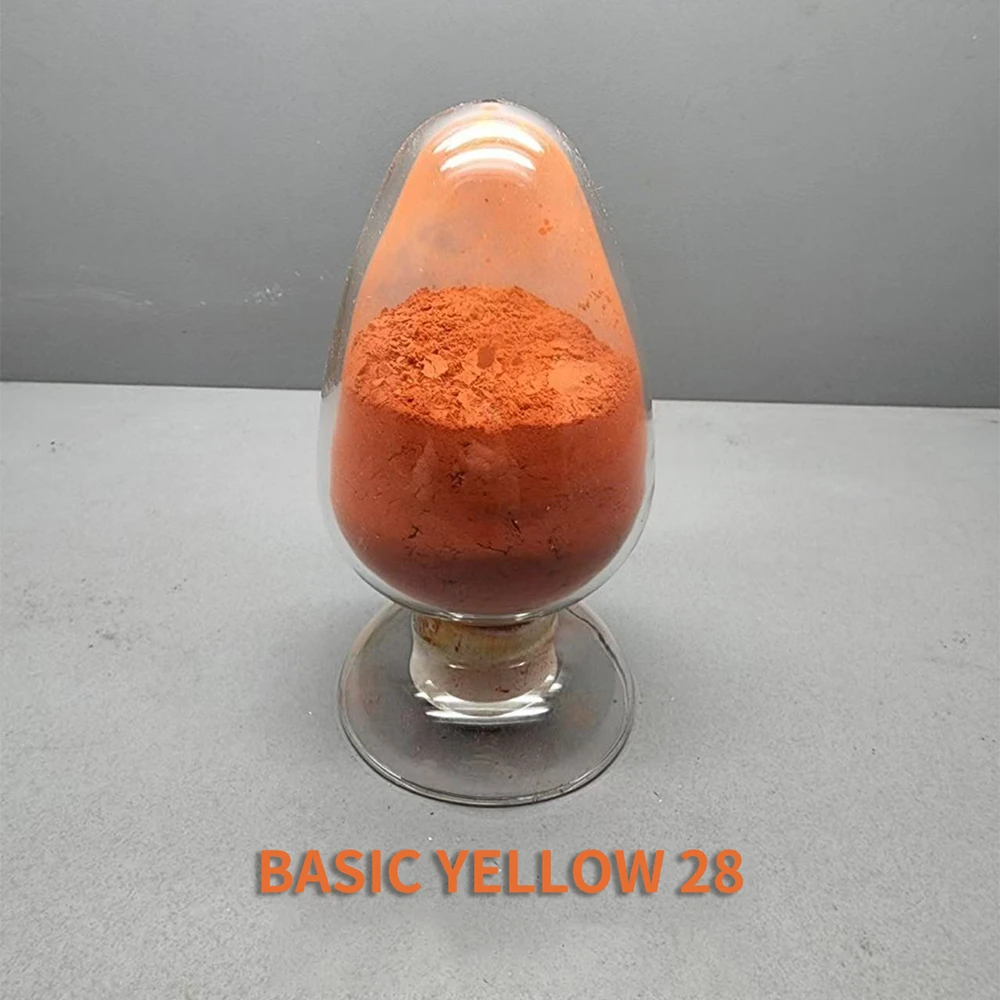
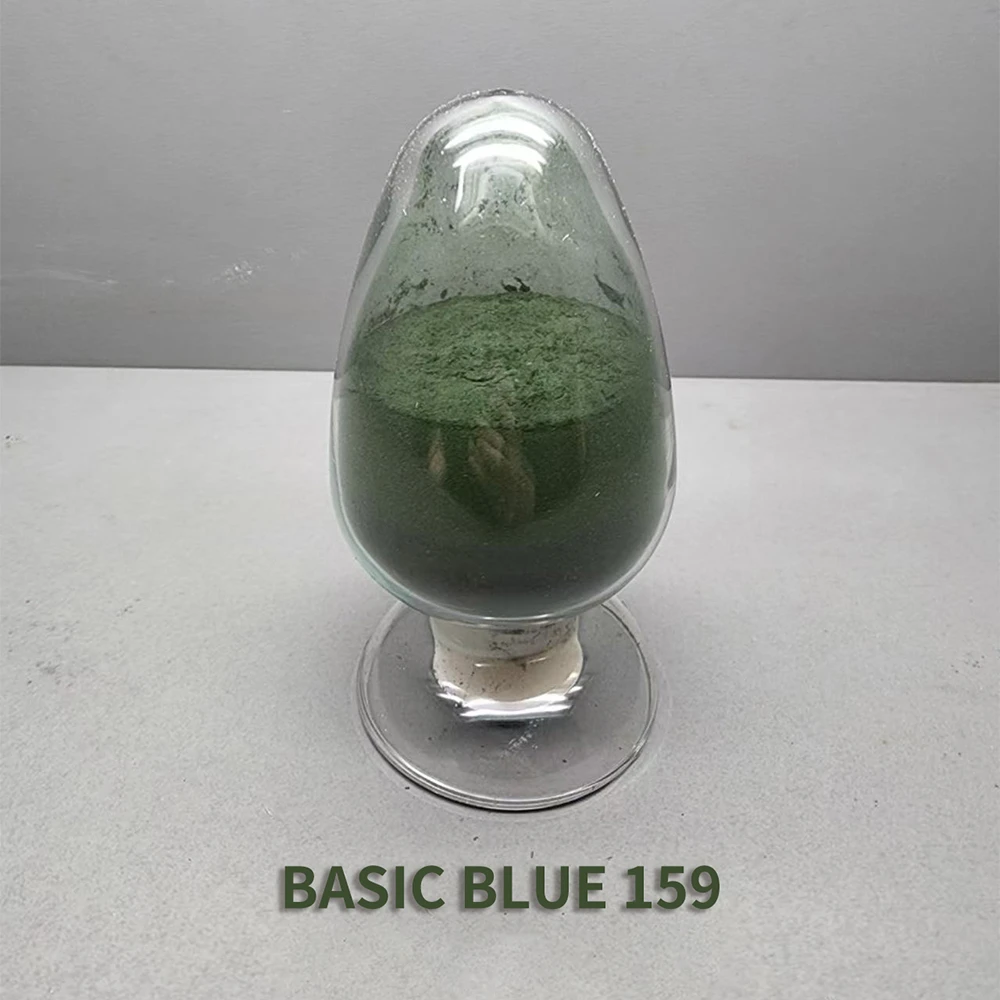
Our specialized range of basic cationic dyes is specifically designed to produce ultra-bright, fluorescent hues for the contemporary fashion market.

Get Expert Consultation

Ready to elevate your textile quality in Peru? Our engineers are available to provide customized chemical solutions for your facility.

Contact Us Now

If you are interested in our products, you can choose to leave your information here, and we will be in touch with you shortly.